 EN

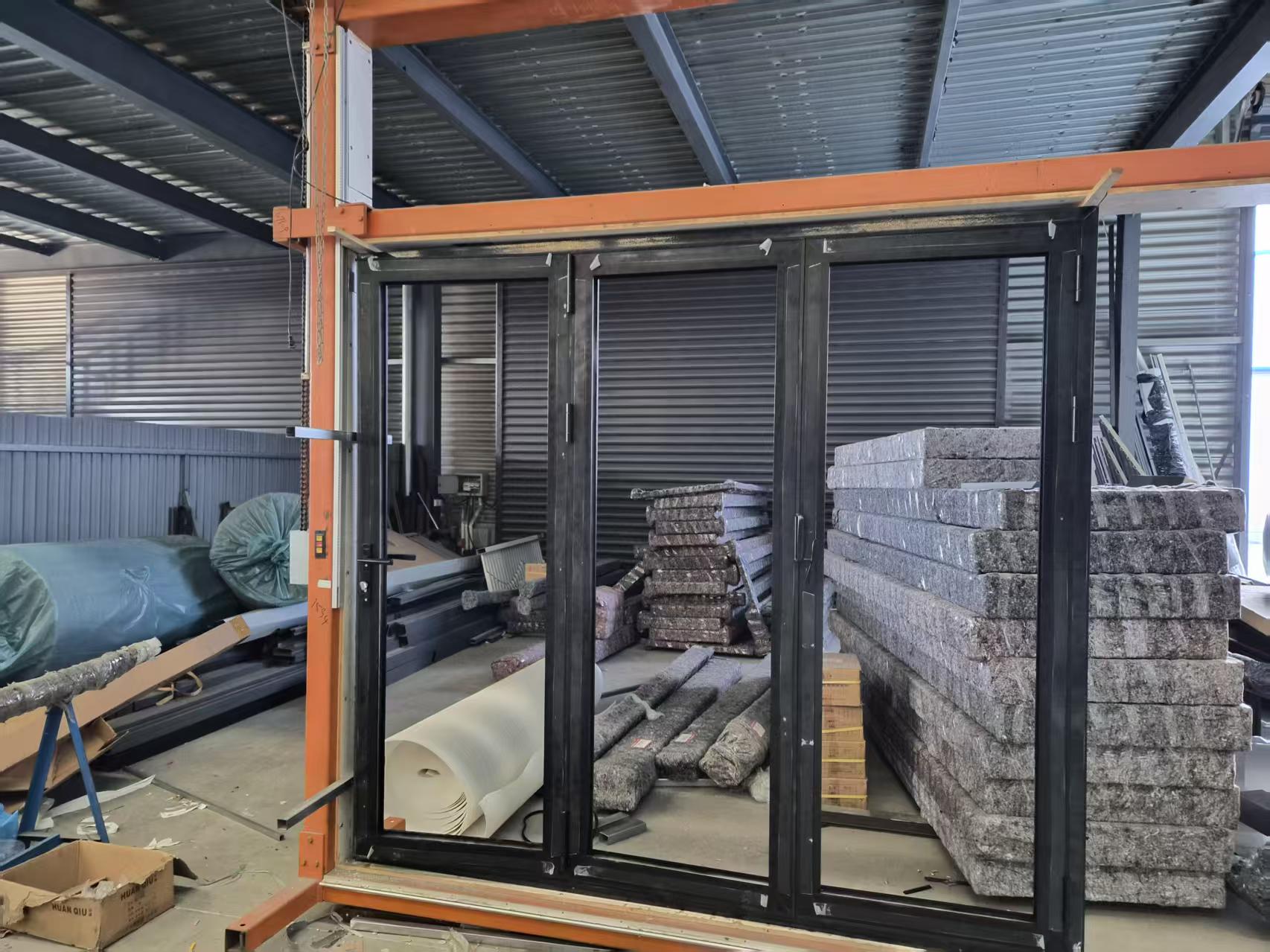
Selecting the right folding door system is crucial for creating flexible, adaptable interior spaces that respond to modern commercial and residential demands. A folding door transforms fixed walls into dynamic partitions, allowing you to reconfigure rooms instantly without permanent structural changes. Whether you're designing a corporate office, hospitality venue, retail space, or residential area, understanding how to evaluate and choose a folding door ensures you get the right balance of functionality, aesthetics, durability, and cost-effectiveness for your specific application.
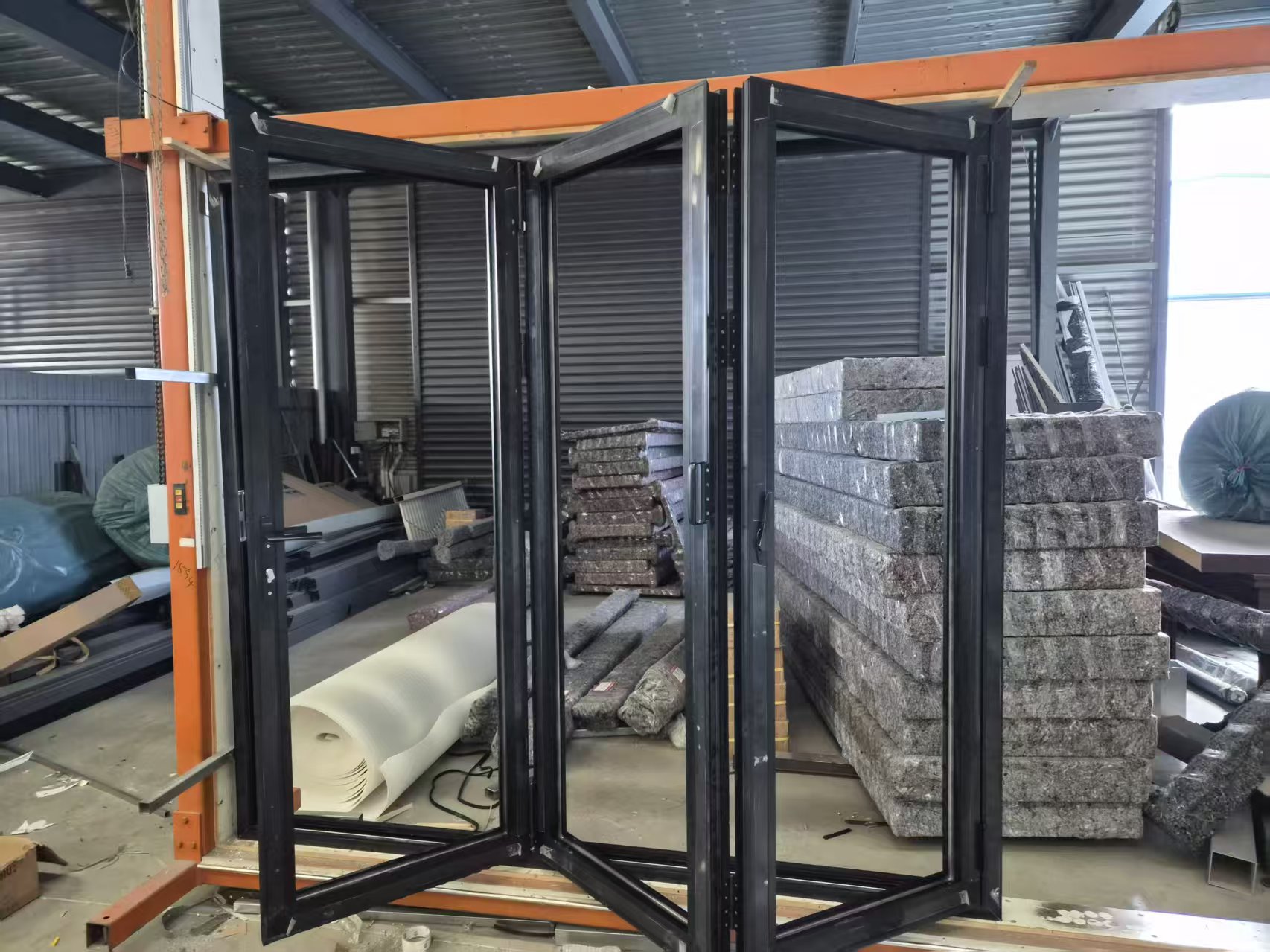
The market offers numerous folding door options, each with distinct mechanical properties, material choices, and installation requirements. Before investing in a folding door system, you must evaluate how the system integrates with your space layout, traffic patterns, aesthetic goals, and long-term maintenance expectations. This comprehensive guide walks you through the critical decision factors that will help you select the ideal folding door solution for your unique requirements.
Understanding Folding Door Types and Mechanisms
Accordion-Style Folding Door Systems
Accordion-style folding door systems feature panels that fold back on themselves in a compact zigzag pattern when opened. This design maximizes usable floor space because the folding door occupies minimal area when fully retracted. Accordion folding door configurations work exceptionally well in space-constrained environments where traditional swing or sliding doors would obstruct movement or reduce available square footage. The folding door panels typically hang from overhead tracks, and the accordion mechanism allows smooth, predictable operation with minimal side-to-side swing.
When evaluating accordion-style folding door options, examine the panel thickness, material durability, and track engineering. A quality folding door system includes reinforced hinges that distribute load evenly across all folding points. The folding door track must be precisely engineered to prevent binding or misalignment over extended use. Consider how frequently the folding door will be operated daily, as high-traffic applications demand more robust hinge assemblies and track systems than occasional-use installations.
Bi-Fold and Multi-Fold Configurations
Bi-fold and multi-fold folding door systems operate on similar principles but with different panel counts and operational mechanics. A bi-fold folding door typically consists of two panels that fold against each other, while a multi-fold folding door incorporates four, six, or more panels depending on the opening width. The folding door configuration you select directly impacts the aesthetic appearance, operational smoothness, and space efficiency of your installation.
Multi-fold folding door systems provide superior aesthetic flexibility because they can be partially opened to create various room configurations without fully retracting the entire folding door unit. This partial-open capability makes the folding door particularly valuable in applications requiring staged access control or gradual space expansion. The folding door panels in multi-fold systems typically measure narrower than bi-fold alternatives, allowing finer control over room division and reducing the visual weight of any single panel.
Material Selection and Durability Considerations
Aluminum Frame and Glass Panel Combinations
Aluminum-framed folding door systems offer excellent strength-to-weight ratios and superior corrosion resistance compared to steel alternatives. The folding door aluminum frame remains lightweight yet rigid, preventing sagging or misalignment even after years of repeated operation. Many premium folding door systems use anodized aluminum, which provides additional surface hardness and aesthetic options including natural metallic finishes and powder-coated colors.
Glass panel options significantly influence the folding door system's visual impact and acoustic properties. Clear glass folding door panels maintain sightlines and visual connection between spaces, making them ideal for open-plan office environments. Frosted or tinted folding door glass panels provide privacy while allowing light transmission, perfect for conference rooms or executive areas. The folding door glass thickness typically ranges from 6 millimeters to 10 millimeters depending on panel size and structural requirements, with thicker glass offering improved sound dampening and durability.
Wood and Composite Material Options
Timber and composite folding door solutions deliver warmer aesthetics suitable for hospitality, residential, and upscale commercial environments. A folding door constructed from solid wood or engineered composite provides natural visual appeal that metal and glass folding door systems cannot match. However, wood-based folding door components require regular maintenance including periodic staining, sealing, or repainting to maintain appearance and protect against moisture damage.
Composite materials offer middle-ground solutions for folding door applications, combining wood-like aesthetics with improved durability and lower maintenance requirements compared to solid timber. A composite folding door system resists warping, swelling, and shrinkage caused by humidity fluctuations, making it more reliable for applications prone to moisture exposure. The folding door composite construction typically incorporates recycled wood fibers bonded with polymer resin, resulting in a stable, long-lasting product that maintains its appearance with minimal upkeep.
Installation, Maintenance, and Performance Factors
Track System Engineering and Alignment
The overhead track represents the structural backbone of any folding door installation, and track quality directly determines operational smoothness and long-term reliability. Premium folding door track systems feature precision-engineered channels with tight tolerances that minimize panel wobbling or derailing risk. The folding door track must be perfectly level and plumb, requiring careful measurement and installation by experienced professionals to ensure optimal performance.
When selecting a folding door system, verify that the track design accommodates your ceiling structure, loading capacity, and future maintenance access. Some folding door track systems integrate adjustable rollers that allow field-level alignment corrections after installation, improving long-term operational reliability. The folding door track should be fabricated from hardened steel or heavy-gauge aluminum to withstand thousands of operational cycles without permanent deformation or binding.
Hardware Components and Operational Ease
Quality hinges, roller assemblies, and guide rails represent critical hardware components that determine how smoothly your folding door operates day after day. Heavy-duty folding door hinges engineered from stainless steel or hardened steel resist corrosion and fatigue stress that accumulates with repeated use. The folding door roller assemblies must feature sealed bearings that minimize dust infiltration and require minimal lubrication throughout the product lifetime.
Operational ease directly impacts user adoption and long-term satisfaction with your folding door investment. A properly engineered folding door system should open and close smoothly with minimal manual force, typically requiring less than ten pounds of pressure to operate. Consider specifying a folding door system with integrated soft-close or damping mechanisms that prevent slamming and reduce noise in noise-sensitive environments like conference facilities or healthcare settings.
Maintenance Requirements and Service Access
Different folding door system designs impose varying maintenance demands that directly impact total cost of ownership. A folding door with sealed bearings and stainless steel components requires minimal routine maintenance beyond occasional dust removal and lubrication. Conversely, budget-tier folding door systems with unsealed hardware components demand regular lubrication, cleaning, and periodic hinge adjustments to maintain smooth operation.
Your maintenance capability and long-term occupancy plans should influence whether you prioritize a low-maintenance folding door system or accept higher service requirements in exchange for lower purchase price. Consult with facility management teams about available resources for folding door upkeep before finalizing your system selection. The folding door installation should provide accessible service points allowing technicians to inspect hinges, adjust track alignment, and replace worn components without major disassembly.
Application-Specific Selection Criteria
Commercial and Hospitality Applications
Commercial environments demand folding door solutions engineered for high-frequency operation, with robust hardware and durable finishes that withstand intensive daily use. Hotels, restaurants, and event venues typically deploy folding door systems to create flexible banquet halls, ballrooms, and breakout spaces that adapt to varying guest configurations. The folding door system must facilitate quick room reconfiguration between events while maintaining professional appearance and acoustic isolation between adjacent spaces.
When specifying folding door systems for hospitality applications, prioritize models featuring integrated soft-close mechanisms and premium aluminum finishes that align with upscale interior design standards. The folding door should seamlessly blend with wall finishes and architectural details rather than appearing as a temporary partition. Sound transmission class ratings become important if the folding door must isolate noise between occupied spaces, making acoustic-rated folding door systems with sealed frames and dense glass panels preferable to basic models.
Residential and Modular Space Solutions
Residential applications leverage folding door technology to create adaptable living spaces that expand and contract based on occupancy and functional needs. Home offices, recreation rooms, and guest suite entrances commonly benefit from folding door installations that separate spaces without permanent walls. A folding door system for residential use should prioritize aesthetic integration with interior design while offering reliable daily operation suitable for family environments.
Select residential folding door options that complement your existing décor and architectural style, whether that means sleek modern aluminum and glass combinations or warm wood-toned composite systems. A folding door system designed for residential use typically requires simpler installation than commercial alternatives, often compatible with standard residential ceiling structures and electrical systems. The folding door should operate smoothly enough for children and elderly family members to manipulate safely and easily, without mechanical resistance or pinch hazards.
Acoustic Performance and Privacy Considerations
Sound isolation capabilities directly influence whether a folding door installation successfully creates functional separation between occupied spaces. Standard folding door systems with basic aluminum frames and single-pane glass provide minimal acoustic dampening, allowing conversation and noise to transfer freely between adjacent rooms. Premium folding door systems featuring laminated glass panels, weatherstripping, and sealed frame joints deliver substantially improved sound transmission class ratings suitable for noise-sensitive applications.
If your application requires confidential meetings or concentration-demanding activities, specify a folding door system with acoustic-rated components including dense composite panels and foam-backed seals. The folding door frame design must incorporate continuous gaskets along all panel edges and meeting stiles to achieve meaningful noise reduction. Test acoustic performance data before finalizing your folding door selection to confirm the system meets your specific decibel reduction requirements for the intended space.
FAQ
What size folding door system should I choose for my space?
The appropriate folding door size depends on your opening width, ceiling height, and desired panel count. Standard residential folding door systems typically range from 24 to 48 inches wide, while commercial folding door applications span 8 to 20 feet or wider. Measure your opening width carefully and consult manufacturer specifications to determine the correct number of panels and overall folding door dimensions. Most folding door manufacturers provide sizing guides and custom configuration options for non-standard openings.
How long does a folding door system typically last with proper maintenance?
A quality folding door system with proper installation and regular maintenance typically lasts 15 to 25 years depending on usage frequency and environmental conditions. Heavy-duty commercial folding door systems rated for high-frequency operation may last longer if components are serviced appropriately. Residential folding door systems generally require less intensive maintenance and can maintain reliable operation throughout the expected building lifespan if hinges and hardware receive periodic lubrication and adjustment.
Can folding door systems be retrofit into existing doorways?
Most folding door systems can be retrofit into existing doorways, though structural modifications may be necessary depending on your current doorframe configuration and ceiling structure. A professional folding door installer can evaluate your space and determine whether your ceiling framing will support the overhead track system required for folding door operation. If ceiling modifications prove impractical, alternative folding door solutions including floor-mounted track systems or pocket door options may provide viable flexibility solutions for your space.