 EN
EN

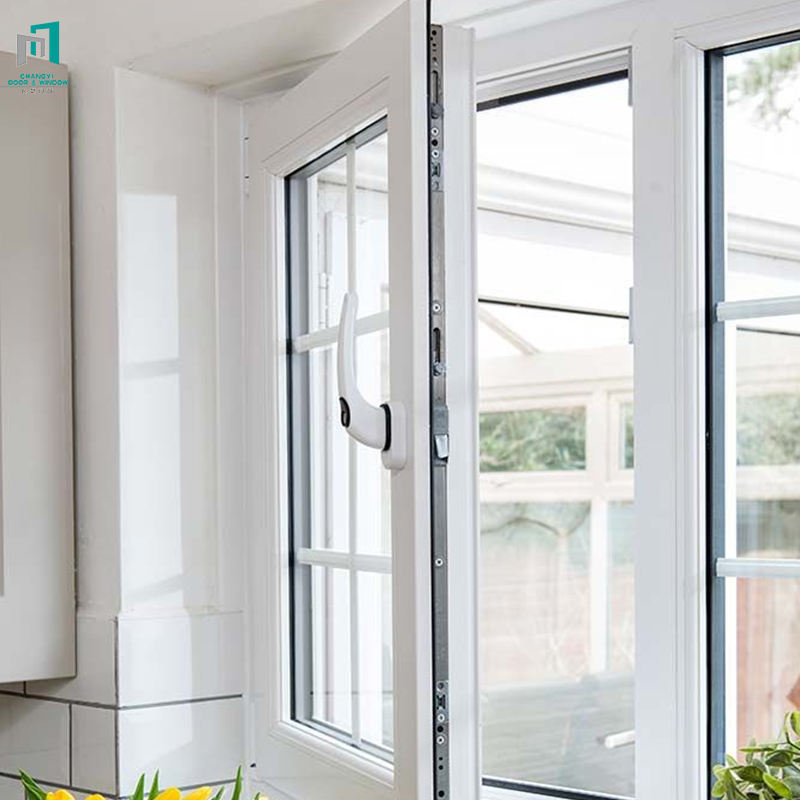
When selecting window solutions for residential or commercial buildings, thermal performance stands as a critical decision factor that directly impacts energy consumption, occupant comfort, and operational costs. Among available window technologies, PVC windows have emerged as a leading choice for energy-conscious builders and property owners, yet not all designs deliver equivalent insulation capabilities. Understanding which specific design features enhance thermal resistance enables informed specification decisions that align with performance requirements, climate conditions, and long-term efficiency goals. The architectural configuration, frame construction method, glazing system integration, and weathersealing approach each contribute measurably to overall insulation effectiveness, making design selection a technical decision rather than an aesthetic preference alone.
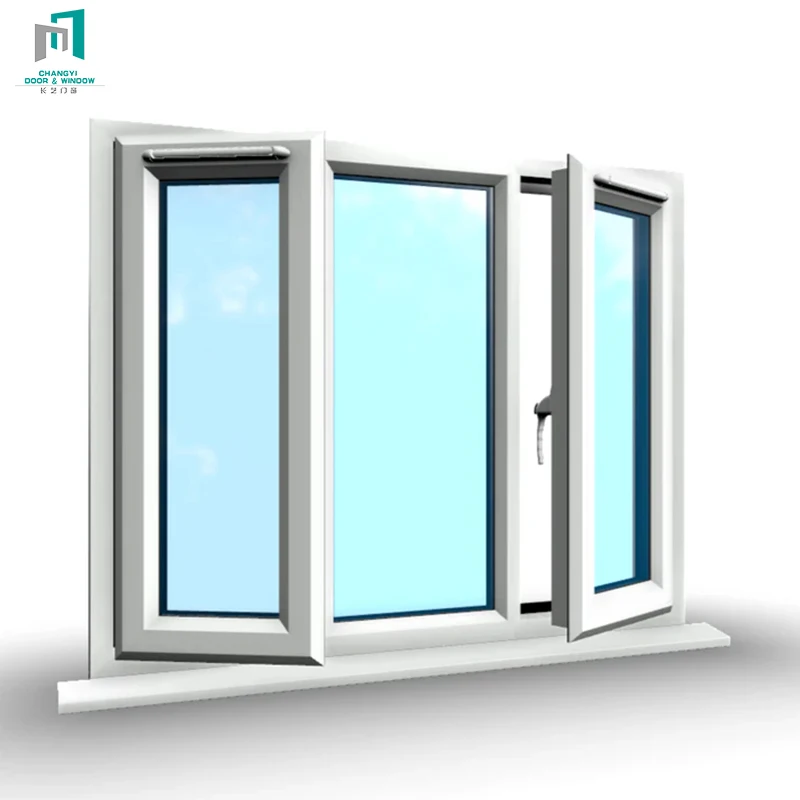
The insulation performance of pvc windows depends fundamentally on how their structural design addresses the three primary heat transfer mechanisms: conduction through solid materials, convection within air spaces, and radiation across transparent surfaces. Multi-chamber frame profiles, thermally optimized glazing configurations, and precision-engineered sealing systems work in concert to minimize thermal bridging and air infiltration. Industry testing standards such as NFRC ratings and U-factor measurements provide quantifiable metrics for comparing design variants, yet these laboratory values must be interpreted alongside real-world installation contexts and operational patterns. This exploration examines the specific design characteristics that measurably enhance insulation performance in pvc windows, providing technical guidance for specifiers seeking validated thermal efficiency improvements across diverse building applications and climate zones.
Frame Profile Architecture and Chamber Configuration
Multi-Chamber Extrusion Design Principles
The internal architecture of pvc windows frames represents perhaps the most significant design factor influencing insulation performance, with multi-chamber extrusion profiles creating separated air pockets that interrupt thermal conductivity pathways. Modern high-performance pvc windows typically incorporate between three and seven distinct chambers within the frame profile, each sealed compartment functioning as a thermal barrier that reduces heat transfer through the frame material itself. The geometry, size, and placement of these chambers directly affect the overall U-factor, with optimized configurations achieving thermal resistance values exceeding those of traditional two-chamber designs by thirty to forty percent in controlled testing environments.
Chamber wall thickness and spatial distribution within the profile cross-section require careful engineering to balance structural integrity with thermal performance objectives. Thinner internal walls maximize the number of air chambers within a given frame depth, yet must maintain sufficient rigidity to prevent deflection under wind loads and operational stresses. Leading pvc windows manufacturers employ finite element analysis to optimize chamber geometry, positioning larger chambers toward the exterior face where temperature differentials concentrate thermal stress, while maintaining smaller stabilizing chambers in the interior sections. This strategic layering approach creates progressive thermal resistance zones that incrementally reduce heat flow from warm to cold surfaces.
Reinforcement Integration and Thermal Bridging
Steel reinforcement elements embedded within pvc windows frames provide essential structural capacity for larger window sizes and enhanced security performance, yet these metallic components create potential thermal bridges that compromise insulation effectiveness if not properly managed. The conductive properties of steel far exceed those of PVC polymer, meaning unrestricted metal pathways can channel significant heat transfer through otherwise well-insulated frame profiles. Advanced design approaches address this challenge through strategic reinforcement placement within thermally isolated chambers, separation materials that buffer metal contact surfaces, or substitution with lower-conductivity reinforcement alternatives such as fiberglass-reinforced polymer composites.
The cross-sectional location of reinforcement within the frame profile significantly influences thermal bridging effects, with centrally positioned steel elements showing measurably better performance than those placed near exterior surfaces. When reinforcement must occupy chambers adjacent to the thermal envelope, insulation performance benefits from closed-cell foam inserts or thermal break materials that physically separate the metal from the PVC chamber walls. Some premium pvc windows designs eliminate steel reinforcement entirely in residential applications, relying instead on increased profile wall thickness and optimized chamber geometry to achieve required structural performance without introducing conductive pathways. These approaches typically show U-factor improvements of fifteen to twenty-five percent compared to conventionally reinforced equivalents.
Frame Depth and Glazing Accommodation
The overall depth dimension of pvc windows frame profiles directly constrains the glazing thickness that can be accommodated, establishing a fundamental relationship between frame design and total window insulation performance. Standard residential profiles typically range from sixty to eighty-five millimeters in depth, while enhanced thermal performance designs extend to ninety or one hundred millimeters to accommodate triple glazing systems and wider insulating glass unit configurations. This additional depth enables larger air spaces between glass panes, which improves the center-of-glass U-factor substantially when dimensions reach optimal ranges between fourteen and eighteen millimeters for dual-pane assemblies.
Frame depth also influences the thermal performance at the critical edge-of-glass zone, where the glazing unit perimeter meets the frame structure and thermal bridging effects concentrate. Deeper frame profiles allow for extended glazing rebates that increase the thermal path length between interior and exterior surfaces, reducing edge-of-glass heat transfer that typically represents a significant proportion of total window thermal loss. The design of the glazing bead component within pvc windows systems proves equally important, with multi-chamber beads that mirror the main frame architecture providing continuous thermal resistance across the entire perimeter seal zone. Optimized bead designs incorporate dedicated drainage and ventilation channels that manage condensation risk without compromising insulation integrity.
Glazing System Integration and Thermal Glass Technologies
Insulating Glass Unit Configuration Options
While frame design establishes the structural foundation for thermal performance, the glazing system accounts for the majority of the window surface area and exerts dominant influence on overall insulation effectiveness in pvc windows assemblies. Double-glazed insulating glass units represent the minimum standard for energy-efficient construction in temperate climates, featuring two glass panes separated by a sealed air space that reduces conductive and convective heat transfer compared to single-pane alternatives. The performance differential between basic double glazing and optimized configurations incorporating low-emissivity coatings and inert gas fills can approach one hundred percent improvement in U-factor measurements, making glazing specification decisions critically important.
Triple-glazed insulating glass units deliver superior thermal resistance appropriate for cold climate applications, passive house standards, and projects targeting maximum energy efficiency. The addition of a third glass pane creates two sealed cavities that further impede heat transfer, with optimally configured triple glazing achieving U-factors below 0.20 in metric units or 0.035 in imperial measurements. However, the increased weight and thickness of triple glazing systems require correspondingly robust frame designs with adequate depth and structural capacity, illustrating the interdependence between frame and glazing design decisions. The performance advantage of triple glazing proves most significant in heating-dominated climates where window heat loss represents a substantial portion of building thermal loads throughout extended winter periods.
Low-Emissivity Coatings and Spectral Selectivity
Low-emissivity coatings applied to glass surfaces within pvc windows glazing units dramatically enhance insulation performance by reflecting long-wave infrared radiation while maintaining visible light transmission. These microscopically thin metallic or metal oxide layers preferentially reflect thermal radiation back toward its source, reducing radiative heat transfer across the glazing cavity without significantly affecting daylight availability or visual clarity. Hard-coat pyrolytic coatings applied during glass manufacturing offer durability advantages for exposed surface applications, while soft-coat sputtered coatings provide superior thermal performance when protected within sealed insulating glass unit cavities.
The positioning of low-emissivity coatings within multi-pane glazing assemblies requires careful consideration based on climate conditions and performance priorities. In heating-dominated environments, coatings placed on the interior surface of the exterior pane maximize heat retention by reflecting interior thermal radiation back into conditioned spaces. Conversely, cooling-dominated climates benefit from coating configurations that reject solar heat gain while maintaining outward thermal radiation capability. Some high-performance pvc windows incorporate multiple low-emissivity coatings within triple-glazed assemblies, with each coating optimized for specific spectral ranges to achieve balanced performance across heating and cooling seasons. These spectrally selective technologies enable solar heat gain coefficients and visible light transmittance ratios that would be impossible with tinted or reflective glass alone.
Inert Gas Fills and Cavity Optimization
Replacing the air within sealed glazing cavities of pvc windows with inert gases having lower thermal conductivity substantially improves insulation performance through reduced convective heat transfer. Argon gas represents the most common fill option, offering approximately thirty percent lower conductivity than air at a reasonable cost premium, resulting in U-factor improvements of ten to fifteen percent depending on cavity dimensions and overall glazing configuration. Krypton gas provides even better thermal performance with approximately fifty percent lower conductivity than air, making it particularly valuable in thin cavity applications where space constraints limit argon effectiveness, though its higher cost typically restricts use to premium product lines.
The optimal cavity width for inert gas fills differs from standard air-filled assemblies, with argon showing maximum effectiveness in cavities between twelve and eighteen millimeters, while krypton performs best in narrower spaces of eight to twelve millimeters. These dimensional relationships influence the frame depth requirements for pvc windows designed to accommodate high-performance glazing systems. Gas retention over the service life of the window depends critically on edge seal integrity, with dual-seal designs incorporating both primary and secondary barriers showing superior long-term performance. Modern insulating glass units maintain ninety percent or higher gas concentration for twenty years or more when properly manufactured and installed, ensuring sustained thermal performance throughout the expected service life of the pvc windows assembly.
Weathersealing Systems and Air Infiltration Control
Compression Seal Design and Material Selection
Even the most thermally efficient frame profiles and glazing systems will underperform if air infiltration compromises the building envelope at window perimeters, making weathersealing design a critical determinant of realized insulation performance in pvc windows installations. Compression seals positioned at the interface between operable sash and fixed frame components must maintain continuous contact across the entire perimeter under varying temperature conditions, material aging effects, and repeated operational cycles. EPDM rubber formulations specifically developed for window applications offer superior elasticity retention, ozone resistance, and temperature stability compared to generic elastomers, maintaining effective sealing performance across temperature ranges from minus forty to plus eighty degrees Celsius.
The geometry of seal profiles significantly affects sealing pressure distribution and accommodation of manufacturing tolerances in pvc windows assemblies. Hollow bulb seals provide excellent compression characteristics and recovery after closure, adapting effectively to minor variations in frame-to-sash clearances that inevitably occur across large production volumes. Multi-fin seal designs create progressive sealing stages that trap air pockets between successive barriers, reducing pressure differentials that drive infiltration while providing redundant protection if outer seal elements become damaged or displaced. Premium pvc windows often incorporate three distinct seal lines around the operable perimeter, with dedicated seals addressing water infiltration, air infiltration, and thermal bridging as separate performance requirements.
Corner Joint Sealing and Perimeter Continuity
The corner joints where horizontal and vertical frame members intersect represent particularly challenging locations for maintaining seal continuity in pvc windows assemblies, as these three-dimensional transitions interrupt the linear seal compression that occurs along straight frame sections. Thermal camera analysis consistently reveals elevated heat transfer at corner locations in windows with poorly executed joint sealing, even when straight-section sealing performs adequately. Advanced manufacturing techniques address this vulnerability through precision corner welding processes that create homogeneous material joints without gaps or voids, combined with corner-specific seal components that maintain compression geometry through the directional transition.
Some high-performance pvc windows designs incorporate corner reinforcement blocks that simultaneously enhance structural rigidity and provide continuous seal support surfaces through the joint zone. These components fill the hollow interior spaces at frame corners, preventing seal deflection into cavities under compression loads while creating thermal mass that moderates temperature extremes at these vulnerable locations. The corner welding process itself influences thermal performance, with properly executed joints creating seamless material continuity that eliminates infiltration pathways, while inadequate welding can leave microscopic gaps that compromise both structural and thermal performance. Quality assurance protocols for premium products include corner-specific pressure testing and thermal imaging validation to verify seal effectiveness at these critical junctions.
Installation Integration and Building Envelope Continuity
The insulation performance advantages of well-designed pvc windows can be substantially compromised by installation methods that fail to properly integrate the window assembly with the surrounding building envelope. The gap between the window frame perimeter and the rough opening in the wall structure represents a potential bypass pathway for air and thermal transfer unless properly sealed with appropriate materials and techniques. Expanding foam sealants commonly used for this purpose must be selected carefully to avoid excessive expansion pressures that can distort pvc windows frames, yet provide sufficient fill density to prevent settling and gap formation over time.
The exterior perimeter seal between the window frame and adjacent cladding materials requires particular attention in regions experiencing significant temperature variations and moisture exposure. While this seal functions primarily as a weather barrier rather than an insulation element, moisture penetration into perimeter cavities can dramatically reduce the effectiveness of insulation materials and create condensation conditions that promote material degradation. Modern installation protocols for high-performance pvc windows incorporate dedicated sealing tapes and membranes that integrate with building weather-resistive barriers, creating continuous protection layers that accommodate differential movement between window and wall assemblies without compromising seal integrity. These installation-level considerations prove especially critical for achieving rated thermal performance in actual building applications rather than laboratory test conditions.
Operating Hardware Configuration and Functional Design
Casement and Tilt-Turn Mechanism Sealing Advantages
The fundamental operating configuration of pvc windows significantly influences achievable insulation performance, with casement and tilt-turn designs offering inherent sealing advantages over sliding configurations. Casement windows employ perimeter compression sealing where the entire sash perimeter presses against continuous weatherstripping when closed and locked, creating uniform sealing pressure that effectively blocks air infiltration pathways. The mechanical advantage of cam-action locking hardware generates substantial compression force without requiring excessive operator effort, maintaining seal integrity even as weatherstripping materials gradually relax through aging and repeated cycling.
Tilt-turn hardware systems used extensively in European pvc windows designs provide exceptional versatility while maintaining excellent thermal performance through sophisticated multi-point locking mechanisms that engage simultaneously around the entire sash perimeter. These systems distribute locking forces evenly, preventing the localized seal gaps that can occur with single-point locks, particularly in larger window sizes where frame deflection under wind loads may compromise sealing at locations distant from the locking point. The tilting operation mode enables controlled ventilation while maintaining security, allowing building occupants to access natural ventilation benefits without fully opening windows and compromising envelope integrity. This functionality supports energy management strategies that reduce mechanical conditioning loads during mild weather periods.
Multi-Point Locking and Seal Compression Management
The number and distribution of locking points around the operable perimeter of pvc windows directly affects seal compression uniformity and resulting air infiltration performance. Standard residential casement windows typically incorporate three locking points on the hinge-opposite edge, while high-performance configurations may feature five or more points distributed around the entire perimeter including head and sill locations. This increased locking point density proves particularly valuable in larger window sizes where the unsupported span between locks may flex under wind pressure, temporarily opening gaps in the weatherseal that permit air infiltration pulses coinciding with wind gusts.
The mechanical design of locking hardware influences both the magnitude and consistency of seal compression force applied around the sash perimeter. Adjustable lock strikes allow installation technicians to fine-tune compression levels to account for manufacturing tolerances, material variations, and specific weatherstrip characteristics, optimizing thermal performance for each individual window unit. Some premium pvc windows incorporate automatic compression adjustment mechanisms that maintain optimal seal pressure as materials age and compress over years of service. These systems detect and compensate for seal relaxation, sustaining initial air infiltration performance levels throughout the product service life rather than experiencing the gradual degradation typical of static compression systems.
Sliding System Design and Infiltration Challenges
Sliding window configurations face inherently greater challenges in achieving air infiltration control comparable to compression-sealed casement designs, as the sash must maintain operational clearance within the frame track while simultaneously preventing air passage through those same clearance gaps. Traditional sliding pvc windows employ brush pile or fin-type weatherstripping that maintains light contact with sliding surfaces, providing modest infiltration resistance while permitting smooth operation. However, these sliding seal types cannot generate the compression forces characteristic of casement perimeter seals, resulting in measurably higher air infiltration rates under equivalent test conditions.
Advanced sliding window designs address these performance limitations through supplementary sealing features including compression bulb seals positioned at the sash perimeter outside the sliding track zone, which engage when the window reaches its fully closed position. Additional sealing improvements come from interlocking meeting rail profiles that create overlapping surfaces when paired sash panels close together, establishing a more tortuous infiltration pathway than simple flush-contact designs provide. Despite these enhancements, sliding pvc windows typically show air infiltration rates fifteen to thirty percent higher than equivalent-size casement units when tested to standardized protocols. This performance differential should inform design decisions for projects where thermal performance represents a priority requirement, particularly in climate zones with significant heating or cooling loads and corresponding energy cost sensitivity.
Specialized Design Features for Enhanced Thermal Performance
Warm-Edge Spacer Technology in Glazing Units
The spacer component that separates glass panes within insulating glazing units of pvc windows represents a critical thermal bridge that significantly affects edge-of-glass performance and condensation resistance. Traditional aluminum spacers with high thermal conductivity create a cold perimeter zone where interior glass surface temperatures drop substantially below center-of-glass values, promoting condensation formation during cold weather and contributing disproportionately to overall window heat loss. Warm-edge spacer technologies substitute lower-conductivity materials including stainless steel, thermoplastic composites, or foam-based designs that reduce edge-of-glass U-factors by twenty to forty percent while raising interior glass surface temperatures enough to substantially reduce condensation risk.
The condensation resistance improvement from warm-edge spacers proves particularly valuable in humid climates and buildings with elevated interior moisture levels, where conventional aluminum-spacer pvc windows may experience chronic condensation that promotes mold growth, surface staining, and material degradation. Condensation resistance ratings quantified through standardized testing protocols show warm-edge designs achieving values fifteen to twenty-five points higher than aluminum equivalents on the standardized scale. This performance advantage enables pvc windows with warm-edge technology to operate successfully in applications where conventional spacer designs would require supplementary dehumidification or acceptance of condensation-related maintenance burdens. The incremental cost of warm-edge spacers typically represents less than five percent of total window assembly cost, making this enhancement highly cost-effective relative to the performance benefit delivered.
Thermal Break Integration in Frame-Sash Transitions
While the multi-chamber architecture of modern pvc windows frames provides substantial thermal resistance, the frame-to-sash interface where operable components mount within fixed frame members can create localized thermal bridging if not properly addressed through design features. The mechanical hardware that enables window operation often includes metallic components spanning between interior and exterior faces of the window assembly, potentially conducting heat across otherwise well-insulated frame profiles. Advanced hardware designs incorporate thermal break materials that interrupt these conductive pathways, using low-conductivity polymers or composites to mechanically couple interior and exterior hardware components while blocking thermal transfer.
The hinge mounting zones in casement pvc windows represent particularly significant thermal bridge locations, as these areas concentrate mechanical stress requiring robust attachment while simultaneously creating direct pathways between interior and exterior surfaces. Thermally optimized hinge designs employ separated mounting plates with intervening insulation layers, or position the primary hinge pivot mechanism within chambers isolated from exterior surfaces. Thermal imaging analysis demonstrates that inadequately addressed hinge zones can create localized temperature depressions of eight to twelve degrees Celsius compared to adjacent frame areas, representing substantial heat loss pathways especially when multiplied across the three or more hinge points typical in casement windows. Proper thermal break integration at hinge locations typically improves whole-window U-factors by three to six percent while dramatically reducing condensation risk in these vulnerable zones.
Insulated Glazing Bead and Edge Seal Optimization
The removable glazing bead that retains insulating glass units within pvc windows frame rebates serves both structural and thermal functions, with design variations significantly affecting overall window performance. Standard single-chamber beads represent thermal weak points in otherwise multi-chamber frame assemblies, creating continuous thermal bridges around the entire glazing perimeter. High-performance alternatives incorporate two or three internal chambers that provide thermal resistance comparable to main frame profiles, maintaining consistent insulation performance across the complete window assembly rather than concentrating thermal losses at the glazing perimeter.
The dimensional relationship between the glazing bead, frame rebate, and insulating glass unit edge affects thermal performance through multiple mechanisms. Adequate glazing bite depth ensures secure unit retention while providing sufficient thermal path length between interior and exterior surfaces at the critical edge zone. However, excessive compression of edge seal materials during installation can compromise their long-term performance, leading to eventual gas leakage from insulating glass units and degraded thermal performance. Properly designed pvc windows accommodate specified glazing unit dimensions with appropriate tolerances, incorporating setting blocks and edge clearances that support units securely while avoiding stress concentration in edge seal materials. These seemingly minor dimensional details substantially influence whether installed windows achieve their rated thermal performance and maintain that performance throughout their service life.
FAQ
What U-factor range should I expect from well-designed thermal pvc windows?
High-performance pvc windows with optimized multi-chamber frames, triple glazing with low-emissivity coatings, and inert gas fills typically achieve U-factors between 0.15 and 0.25 in metric units, or 0.026 to 0.044 in imperial measurements. Standard double-glazed configurations with basic frame designs generally range from 0.30 to 0.40 metric or 0.053 to 0.071 imperial U-factors. These values represent whole-window performance including frame, glazing, and edge effects under standardized test conditions. Actual installed performance depends on proper installation integration with the building envelope and appropriate product selection for specific climate conditions and building energy requirements.
How much energy cost savings can improved window insulation provide?
Energy savings from upgrading to high-performance pvc windows depend on climate zone, existing window conditions, building characteristics, and energy costs, making universal savings claims unreliable. However, replacing single-glazed windows with modern triple-glazed designs typically reduces window-related heating and cooling loads by sixty to seventy-five percent in cold climates. For a typical residence with two hundred square feet of window area in a heating-dominated climate, this improvement might reduce annual heating costs by three hundred to six hundred dollars depending on fuel type and local rates. The incremental benefit of premium features like warm-edge spacers or optimized frame designs over standard efficient windows generally produces more modest savings of five to fifteen percent, requiring longer payback periods than basic efficiency upgrades.
Do pvc windows maintain insulation performance as they age?
Quality pvc windows maintain the majority of their thermal performance over typical service lives of twenty-five to thirty years when properly manufactured and installed. The PVC frame material itself remains dimensionally stable and does not conduct heat differently as it ages. However, weathersealing components gradually lose elasticity and compression capability, potentially increasing air infiltration rates by twenty to forty percent over twenty years unless maintenance or replacement occurs. Insulating glass unit performance depends critically on edge seal integrity, with well-manufactured units maintaining over ninety percent gas retention for twenty years or more. Visible condensation between glass panes indicates seal failure requiring unit replacement. Regular inspection of weatherseals and hardware adjustment to maintain proper compression helps sustain initial performance levels throughout the product service life.
Can pvc windows achieve passive house certification standards?
Yes, specifically designed pvc windows can meet the stringent thermal performance requirements of passive house and similar ultra-low-energy building standards. Passive house certification typically requires window U-factors of 0.20 or below in metric units, achievable through combination of deep multi-chamber frames, triple glazing with multiple low-emissivity coatings, krypton or argon gas fills, warm-edge spacers, and thermally optimized installation methods. Several European and North American manufacturers offer certified passive house pvc windows product lines. However, these high-performance units typically cost thirty to fifty percent more than standard energy-efficient windows and require careful attention to installation details to achieve rated performance. The stringent requirements make passive house windows most cost-effective in extreme climates or projects with comprehensive energy efficiency goals where the incremental performance justifies the cost premium.