 EN
EN

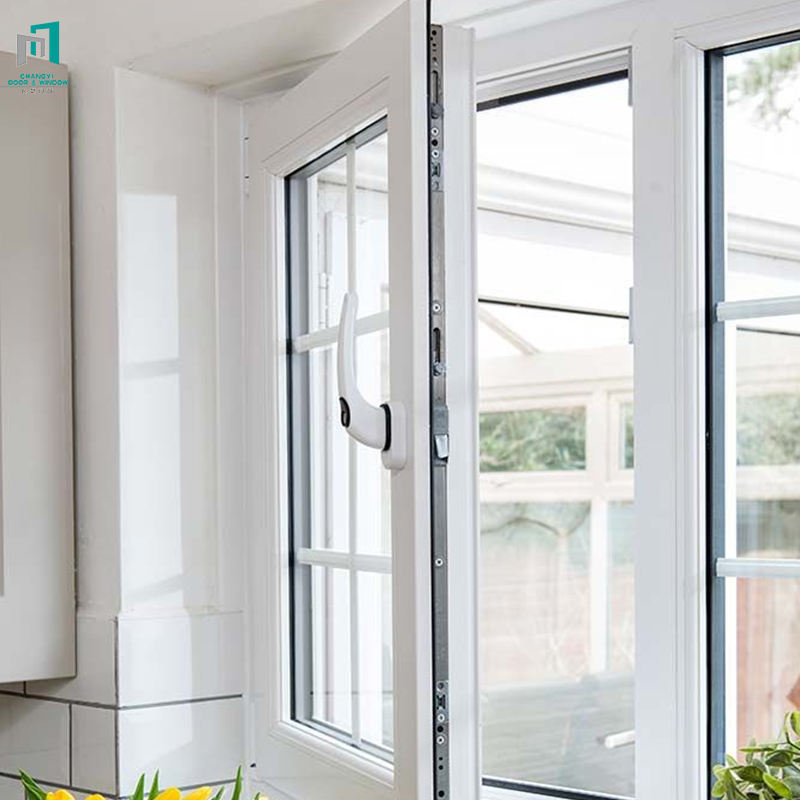
Sourcing pvc windows for commercial projects, residential developments, or industrial facilities requires careful evaluation of multiple technical, commercial, and operational factors. As one of the most widely adopted fenestration solutions globally, pvc windows offer exceptional thermal performance, durability, and cost-effectiveness when procured through informed decision-making processes. However, the market presents diverse product specifications, supplier capabilities, and quality standards that demand systematic assessment before committing to purchase orders. Buyers must navigate considerations ranging from material composition and manufacturing standards to supplier reliability and post-installation support to ensure their investment delivers long-term value and meets project-specific performance requirements.
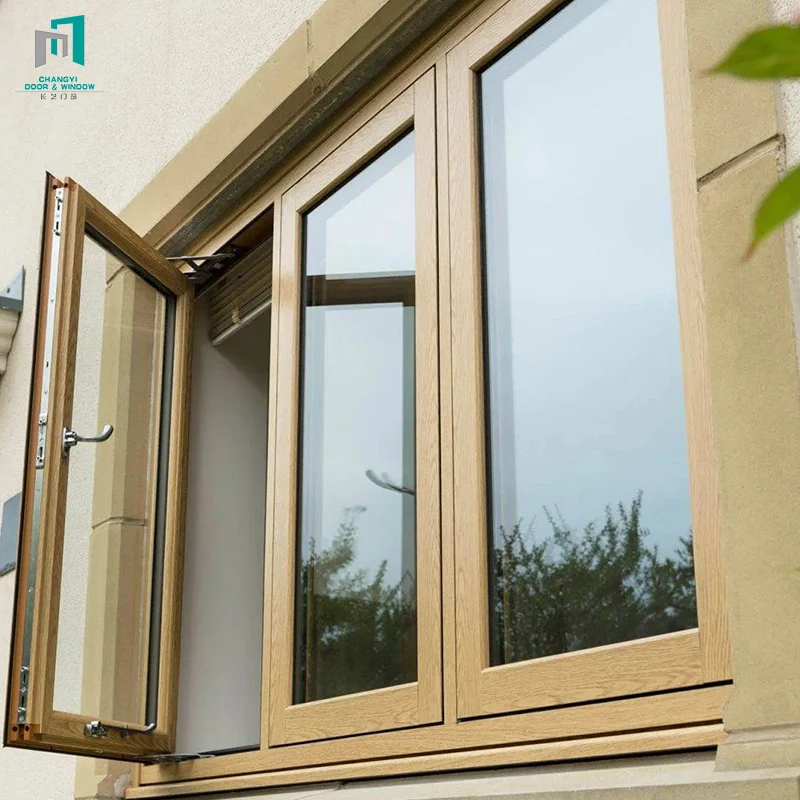
Understanding what factors truly matter when sourcing pvc windows enables procurement teams to avoid common pitfalls such as premature product failure, thermal performance shortfalls, or compatibility issues with architectural designs. This comprehensive guide examines the critical considerations that professional buyers should prioritize throughout the sourcing process, from initial supplier qualification to final delivery and installation support. By addressing material quality standards, technical specifications, manufacturing capabilities, certification requirements, and supplier service levels, this article equips decision-makers with the knowledge framework necessary to source pvc windows that align with both immediate project needs and long-term performance expectations across diverse climate conditions and application scenarios.
Material Quality and Profile Composition Standards
PVC Resin Grade and Chemical Composition
The foundation of durable pvc windows lies in the quality of polyvinyl chloride resin used in profile extrusion. Premium-grade pvc windows utilize virgin PVC compounds with calcium-zinc stabilizers rather than lead-based additives, ensuring both environmental compliance and superior weathering resistance. Buyers should verify that suppliers use resin formulations meeting ISO 1163 or ASTM D1784 standards, which specify minimum mechanical properties and impact resistance thresholds. The compound formulation directly affects color stability, UV degradation resistance, and structural integrity over decades of exposure to environmental stressors. Requesting technical data sheets that detail resin grade, stabilizer systems, and additive packages allows buyers to compare material quality objectively across different suppliers.
Material composition significantly influences the dimensional stability of pvc windows under temperature fluctuations. High-quality profiles incorporate impact modifiers and processing aids that maintain structural performance across temperature ranges from negative forty to positive sixty degrees Celsius. Buyers operating in regions with extreme climate conditions should prioritize suppliers who can demonstrate thermal expansion coefficients and cold impact resistance test results. The molecular weight distribution of PVC resin affects weld strength at corner joints, which constitutes a critical failure point in window assemblies. Procurement specifications should include minimum Charpy impact strength values and heat deflection temperature thresholds to ensure profiles maintain structural integrity throughout their service life.
Profile Wall Thickness and Reinforcement Systems
Wall thickness specifications for pvc windows vary according to regional building codes and performance requirements, with European standards typically mandating minimum external wall thicknesses of 2.8 to 3.0 millimeters for residential applications. Buyers should evaluate whether profile systems include adequate internal chamber structures that enhance rigidity and thermal performance without excessive material usage. Multi-chamber designs with five or more compartments provide superior insulation values compared to simpler three-chamber configurations, though this advantage must be balanced against cost implications. The dimensional accuracy of extrusion processes directly impacts assembly tolerances and weathersealing effectiveness, making consistent wall thickness throughout profile lengths a critical quality indicator.
Steel reinforcement specifications represent another crucial consideration when sourcing pvc windows for projects requiring enhanced structural performance or larger opening sizes. Quality suppliers use galvanized steel reinforcements with minimum coating weights of 275 grams per square meter to prevent corrosion-related deterioration. The gauge thickness and placement of reinforcement within profiles determine load-bearing capacity and resistance to wind pressures, with commercial applications typically requiring heavier reinforcement than residential projects. Buyers should request structural calculations demonstrating compliance with local wind load requirements and verify that reinforcement attachment methods prevent thermal bridging that could compromise energy performance. Suppliers offering customized reinforcement configurations demonstrate manufacturing flexibility valuable for projects with non-standard performance requirements.
Manufacturing Capabilities and Quality Control Systems
Extrusion Process Control and Consistency
The precision of profile extrusion processes fundamentally determines the dimensional accuracy and surface quality of pvc windows. Buyers should assess whether potential suppliers operate modern extrusion lines with closed-loop temperature control systems that maintain melt temperature within plus or minus two degrees Celsius throughout production runs. Consistent extrusion parameters prevent visual defects such as surface rippling, color variation, or dimensional deviations that compromise both aesthetics and functional performance. Leading manufacturers employ inline measurement systems that continuously monitor profile dimensions and automatically adjust die temperatures to maintain tolerances within 0.2 millimeters across all critical dimensions. Site visits to production facilities allow buyers to observe process discipline firsthand and evaluate equipment maintenance standards that indicate long-term production consistency.
Surface finish quality affects both the visual appeal and maintenance requirements of pvc windows throughout their service life. Premium extrusion processes produce smooth, uniform surfaces with gloss levels between fifteen and thirty units on the sixty-degree measurement scale, providing the optimal balance between aesthetic appearance and ease of cleaning. Buyers should examine sample profiles under raking light conditions to detect surface imperfections such as die lines, melt fractures, or contamination marks that indicate process control deficiencies. The cooling and calibration stages following extrusion determine dimensional stability and straightness, with quality manufacturers achieving straightness deviations below 1.5 millimeters per meter of profile length. Suppliers who can demonstrate statistical process control documentation and maintain ISO 9001 certification provide greater assurance of consistent quality across production batches.
Fabrication and Assembly Standards
Window fabrication quality determines the weathertightness, structural integrity, and operational longevity of finished pvc windows. Buyers should evaluate supplier capabilities in precision cutting, corner welding, and hardware installation through examination of finished unit samples. Quality corner joints exhibit complete fusion of profile walls without gaps, voids, or excessive flash that indicates inadequate welding parameters. The strength of welded corners should meet or exceed the tensile strength of unwelded profile material, typically verified through destructive testing protocols. Advanced fabricators employ CNC-controlled welding equipment that maintains consistent heating temperatures and welding pressure across all joint configurations, eliminating the variability associated with manual welding operations.
Glazing installation methods significantly impact both thermal performance and long-term seal integrity of pvc windows. Premium fabrication processes use continuous glazing beads with precision-molded corner connectors rather than mitered cuts that can create drainage vulnerabilities. Buyers should verify that suppliers apply structural silicone or equivalent high-performance sealants along the entire glazing perimeter to prevent air and water infiltration. The drainage system design within window frames determines whether condensation and rainwater can escape effectively without causing internal corrosion or mold growth. Quality fabricators incorporate sloped sill designs with properly positioned drainage holes equipped with covers that prevent insect intrusion while allowing moisture egress. Requesting detailed fabrication specifications and witnessing production processes enables buyers to assess whether supplier capabilities align with project quality expectations.
Technical Performance Specifications and Testing Verification
Thermal Insulation and Energy Efficiency Metrics
Energy performance represents a primary value proposition when specifying pvc windows for both new construction and renovation projects. Buyers should establish minimum U-value requirements based on climate zone and building energy codes, recognizing that pvc windows can achieve thermal transmittance values ranging from 0.8 to 1.8 watts per square meter Kelvin depending on glazing specifications and frame design. Multi-chamber profile systems combined with low-emissivity glazing and warm-edge spacer technologies deliver optimal thermal performance for heating-dominated climates. Suppliers should provide independently tested thermal performance data according to ISO 10077 or NFRC 100 standards rather than relying solely on theoretical calculations that may not account for thermal bridging effects at hardware locations and frame-to-sash interfaces.
Solar heat gain coefficients and visible light transmittance values require careful consideration for projects in cooling-dominated climates where excessive solar gains can increase air conditioning loads. Modern pvc windows accommodate high-performance glazing systems with spectral selectivity that admits natural daylight while blocking infrared radiation. Buyers should evaluate whether supplier product lines offer sufficient glazing options to optimize energy performance across different building orientations and facade designs. Condensation resistance ratings indicate the likelihood of interior surface condensation under typical winter conditions, with values above fifty representing superior performance. The thermal performance of pvc windows depends not only on material properties but also on installation quality, making supplier support for proper installation practices an important selection criterion.
Structural Performance and Durability Testing
Wind load resistance defines the structural adequacy of pvc windows for specific installation locations and building heights. Buyers should specify performance requirements according to local building codes and verify that suppliers can provide test reports demonstrating compliance with relevant standards such as ASTM E330 or EN 12211. Structural testing protocols evaluate deflection under positive and negative wind pressures, with acceptable performance defined by maximum deflection limits relative to span dimensions. Premium pvc windows maintain structural integrity under design wind pressures while exhibiting deflections below span divided by 175, preventing glass-to-frame contact that could cause seal failure or glazing breakage. Projects in hurricane-prone regions or high-rise applications require impact resistance testing and enhanced anchor specifications beyond standard residential requirements.
Water penetration resistance testing according to ASTM E547 or EN 1027 standards verifies the effectiveness of weathersealing systems under simulated wind-driven rain conditions. Quality pvc windows prevent water infiltration under test pressures of at least fifteen percent of design wind pressure, with premium products achieving resistance levels exceeding twenty percent. Buyers should request test reports documenting water penetration performance across the full range of window sizes and configurations planned for their projects, as performance can vary significantly between tested samples and larger production units. Air infiltration rates measured according to ASTM E283 or EN 1026 standards indicate the tightness of window assemblies, with values below 0.2 cubic meters per hour per square meter of frame area representing high-performance specifications suitable for passive house and net-zero energy building applications.
Certification Requirements and Regulatory Compliance
Product Certification and Standards Compliance
Third-party certification provides independent verification that pvc windows meet established performance standards and quality benchmarks. Buyers should prioritize suppliers holding relevant certifications such as CE marking for European markets, Energy Star qualification for North American applications, or Passive House certification for ultra-low-energy projects. These certifications require periodic factory inspections and ongoing product testing that provide greater assurance of consistent quality than supplier self-declarations. Regional standards organizations such as the British Standards Institution, Deutsches Institut für Bautechnik, or American Architectural Manufacturers Association establish performance criteria that reflect local climate conditions and construction practices, making certification to appropriate regional standards an important selection criterion.
Building code compliance verification represents a fundamental procurement requirement, with buyers responsible for ensuring that specified pvc windows meet minimum performance thresholds for their jurisdiction. International Building Code provisions reference ASTM standards for fenestration products, while European construction regulations require conformity with harmonized EN standards covered by CE marking obligations. Suppliers should provide Declaration of Performance documents detailing compliance with essential characteristics such as resistance to wind load, watertightness, dangerous substances content, thermal transmittance, and acoustic insulation. Projects pursuing green building certifications such as LEED, BREEAM, or local equivalents may require additional documentation regarding recycled content, environmental product declarations, or manufacturer sustainability practices that extend beyond basic regulatory compliance.
Fire Safety and Environmental Regulations
Fire performance classifications for pvc windows vary according to building type and installation location, with more stringent requirements typically applied to high-rise residential buildings and institutional facilities. European fire classification systems according to EN 13501 evaluate parameters including ignitability, flame spread, heat release, and smoke production, with Class B-s1,d0 representing high performance appropriate for demanding applications. Buyers should verify that specified pvc windows achieve fire ratings appropriate for their project requirements and that suppliers can provide test reports from accredited laboratories. Some jurisdictions restrict the use of PVC materials in certain building types due to concerns about combustion products, making early verification of material acceptability essential for project feasibility.
Environmental regulations increasingly influence material selection decisions, with buyers facing requirements or preferences for products with minimal environmental impact throughout their lifecycle. Modern pvc windows manufactured using calcium-zinc stabilizer systems eliminate heavy metal content that historically raised environmental concerns and facilitate end-of-life recycling. Suppliers participating in industry recycling programs or offering products with quantified recycled content demonstrate environmental responsibility valued in sustainable construction projects. Environmental Product Declarations prepared according to ISO 14025 standards provide transparent lifecycle assessment data including embodied energy, global warming potential, and resource depletion impacts that enable informed comparison across different fenestration materials. Buyers pursuing net-zero carbon targets should evaluate both the operational energy performance and embodied carbon footprint of pvc windows relative to project sustainability goals.
Supplier Evaluation and Procurement Risk Management
Manufacturing Capacity and Lead Time Reliability
Production capacity assessment helps buyers determine whether potential suppliers can fulfill project quantities within required timeframes without compromising quality through rushed production. Buyers should investigate supplier manufacturing scale, equipment redundancy, and current order backlogs to evaluate delivery risk. Suppliers operating multiple production lines with cross-trained personnel demonstrate greater resilience against equipment failures or workforce disruptions that could delay deliveries. The complexity of pvc windows fabrication means that lead times typically range from four to eight weeks for standard products, with custom configurations or specialty hardware requiring additional time. Buyers should establish realistic delivery schedules that account for supplier production cycles, shipping transit times, and adequate buffer for quality inspections before installation deadlines.
Supply chain transparency enables buyers to anticipate and mitigate potential disruptions affecting pvc windows availability. Suppliers who maintain strategic inventory of critical components such as hardware, weatherstripping, and glazing materials demonstrate preparedness for demand fluctuations and component supply interruptions. The geographic location of manufacturing facilities relative to project sites influences both shipping costs and delivery reliability, with regional suppliers often providing advantages in logistics flexibility and technical support responsiveness. Buyers should evaluate whether suppliers maintain quality management systems that include production planning processes, capacity analysis protocols, and documented procedures for managing customer-specific requirements across multiple concurrent projects.
Technical Support and After-Sales Service
Comprehensive technical support throughout the project lifecycle distinguishes premium pvc windows suppliers from commodity providers. Buyers should assess supplier capabilities in areas such as project-specific engineering analysis, installation training, warranty administration, and replacement parts availability. Suppliers offering design assistance services can optimize window specifications for thermal performance, structural adequacy, and cost-effectiveness during early project phases when modifications remain feasible. Installation support including on-site training and detailed installation manuals helps ensure that pvc windows perform as designed and that warranty conditions remain valid. The availability of regional service centers or authorized service networks influences the practicality of addressing warranty claims or obtaining replacement components during the building service life.
Warranty terms reflect supplier confidence in product quality and provide financial protection against premature failures. Comprehensive warranties for pvc windows typically cover profile discoloration, hardware operation, weatherseal integrity, and glazing unit seal failure for periods ranging from five to twenty years depending on component type. Buyers should carefully review warranty exclusions, transferability provisions, and claim procedures to understand actual coverage scope. Suppliers with established track records and financial stability present lower risk of warranty non-performance compared to new market entrants or financially marginal operations. Reference projects and customer testimonials provide valuable insights into supplier reliability, responsiveness to quality issues, and commitment to customer satisfaction beyond initial product delivery.
FAQ
What minimum wall thickness should buyers specify for residential pvc windows?
Buyers should typically specify minimum external wall thicknesses of 2.8 to 3.0 millimeters for residential pvc windows, which aligns with European standards and provides adequate durability for most climate conditions. However, specific requirements may vary based on regional building codes, expected service life, and performance demands. Commercial or high-rise applications often require thicker walls and enhanced reinforcement systems. Buyers should verify that specified wall thickness applies to external surfaces rather than internal webs, as some suppliers may cite thicker internal components that contribute less to overall structural performance and weather resistance.
How can buyers verify the quality of corner welds in pvc windows?
Buyers can verify corner weld quality through visual inspection for complete fusion without gaps or excessive flash, supplemented by requesting destructive testing results demonstrating weld strength equal to or exceeding base material strength. Quality welds exhibit uniform appearance without discoloration, voids, or incomplete fusion zones. Buyers should examine both interior and exterior corner surfaces under good lighting conditions and consider requesting sample units for independent laboratory testing if critical project requirements demand additional verification. Suppliers using automated welding equipment with documented process parameters generally achieve more consistent weld quality than those relying primarily on manual welding operations.
What energy performance metrics should buyers prioritize when sourcing pvc windows for different climate zones?
For heating-dominated climates, buyers should prioritize low U-values below 1.3 watts per square meter Kelvin and moderate solar heat gain coefficients that admit beneficial winter solar gains. Cooling-dominated climates benefit from low solar heat gain coefficients below 0.30 combined with high visible light transmittance to minimize air conditioning loads while maintaining natural daylighting. Mixed climates require balanced specifications considering both heating and cooling seasons. Buyers should consult local energy codes and green building rating systems to establish appropriate performance thresholds, recognizing that pvc windows with advanced glazing systems and optimized frame designs can meet demanding energy targets across diverse climate conditions when properly specified.
Should buyers prioritize local or international suppliers when sourcing pvc windows?
The optimal supplier selection depends on project-specific factors including required volumes, customization needs, delivery timelines, and total cost of ownership considerations rather than geographic proximity alone. Local suppliers often provide advantages in technical support responsiveness, logistics flexibility, and reduced transportation costs, while international suppliers may offer competitive pricing for large volumes or specialized product configurations unavailable locally. Buyers should evaluate total delivered cost including shipping, duties, and logistics complexity against quality, service capabilities, and risk factors. For projects requiring significant technical support or custom engineering, local or regional suppliers frequently provide superior value despite potentially higher unit costs, while commodity applications with standardized specifications may benefit from international sourcing when volume justifies the additional supply chain complexity.
Table of Contents
- Material Quality and Profile Composition Standards
- Manufacturing Capabilities and Quality Control Systems
- Technical Performance Specifications and Testing Verification
- Certification Requirements and Regulatory Compliance
- Supplier Evaluation and Procurement Risk Management
-
FAQ
- What minimum wall thickness should buyers specify for residential pvc windows?
- How can buyers verify the quality of corner welds in pvc windows?
- What energy performance metrics should buyers prioritize when sourcing pvc windows for different climate zones?
- Should buyers prioritize local or international suppliers when sourcing pvc windows?