 EN
EN

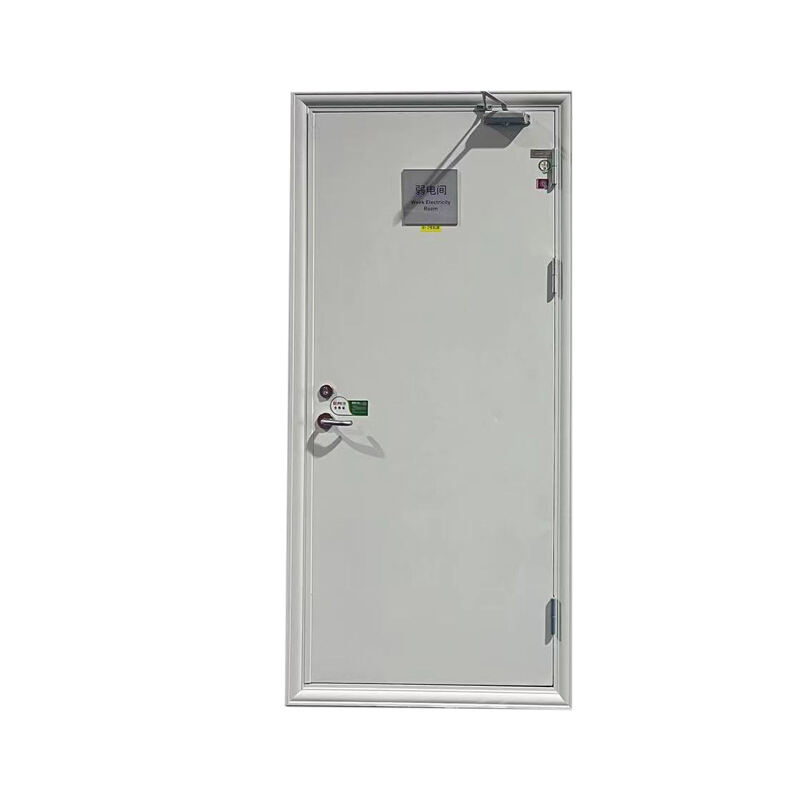
When it comes to protecting your building from both fire hazards and external elements, a fire rated exterior door serves as your first line of defense. These specialized doors must withstand extreme temperatures while maintaining their structural integrity, but they also face unique challenges when installed as exterior barriers. Unlike interior fire doors, exterior fire-rated doors must combat moisture, temperature fluctuations, UV exposure, and potential security threats while maintaining their critical fire resistance properties.
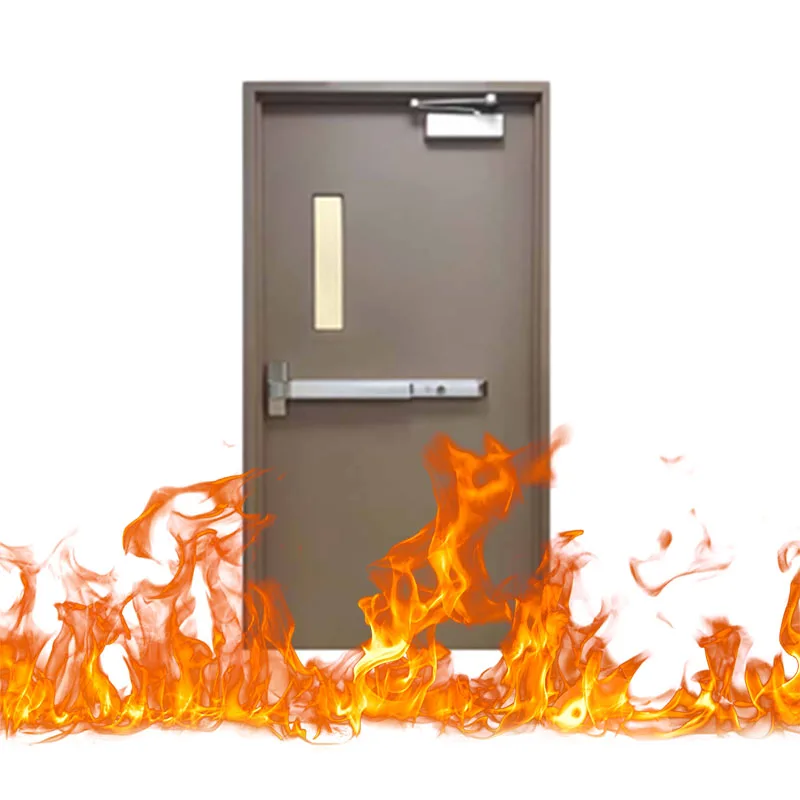
The complexity of weatherproofing a fire rated exterior door extends beyond simple moisture protection. These doors must maintain their fire resistance rating while incorporating weather sealing systems that won't compromise their ability to contain flames and smoke during an emergency. This delicate balance requires careful consideration of materials, installation techniques, and ongoing maintenance protocols that address both fire safety and weather protection requirements.
Security considerations add another layer of complexity to fire rated exterior door installations. While fire safety remains paramount, these doors often serve as primary access points that require robust locking mechanisms, reinforced frames, and anti-tampering features. The challenge lies in integrating security hardware without creating thermal bridges or compromising the door's fire-resistant core materials.
Essential Weatherproofing Components for Fire Safety Compliance
Advanced Weather Seal Systems
The weather sealing system for a fire rated exterior door requires specialized materials that maintain their effectiveness across extreme temperature ranges. Traditional rubber seals may degrade under fire conditions, potentially compromising the door's ability to contain smoke and flames. High-temperature silicone seals and intumescent strips provide dual functionality by expanding under heat to seal gaps while offering superior weather resistance during normal operation.
Proper seal placement is critical for maintaining both weather protection and fire ratings. The head and jamb seals must create a continuous barrier against water infiltration while allowing for the thermal expansion that occurs during fire conditions. Bottom seals present particular challenges, as they must provide weather protection while incorporating automatic door sweeps that activate during fire emergencies to prevent smoke passage.
Quality weather sealing systems for fire rated exterior doors incorporate multiple layers of protection. The primary seal prevents water and air infiltration during normal conditions, while secondary intumescent seals activate only under fire conditions. This dual-seal approach ensures that weatherproofing measures don't interfere with the door's fire protection capabilities.
Moisture Management and Drainage Design
Effective moisture management begins with proper threshold design and drainage integration. A fire rated exterior door installation must incorporate sloped sills that direct water away from the door assembly while maintaining the required fire rating at the threshold. This often involves specialized fire-rated sill pans and weep systems that channel moisture without creating pathways for flame or smoke transmission.
Frame drainage systems require careful engineering to prevent water accumulation that could compromise both the door's structural integrity and its fire resistance properties. Internal drainage channels must be sized appropriately to handle expected water loads while incorporating fire-stopping materials that prevent the drainage system from becoming a conduit for flame spread.
Vapor barrier integration presents unique challenges in fire rated exterior door installations. The vapor barrier must provide moisture protection while allowing for the thermal movement that occurs during fire conditions. Flexible, high-temperature vapor barriers and carefully detailed transitions between the door frame and wall assembly ensure comprehensive moisture protection without compromising fire safety.
Security Integration Without Compromising Fire Performance
Hardware Selection and Fire Rating Maintenance
Security hardware for a fire rated exterior door must meet dual requirements: providing robust protection against unauthorized entry while maintaining the door's fire resistance rating. All hardware components, including locks, hinges, and reinforcement plates, must be tested and listed for use with fire-rated assemblies. This ensures that security enhancements don't create weak points that could fail during fire conditions.
Lock selection requires careful consideration of both security level and fire performance. Mortise locks designed for fire door applications incorporate heat-resistant materials and mechanisms that won't bind under thermal stress. The lock installation must maintain the integrity of the door's fire-resistant core while providing the security performance required for the application.
Hinge systems for fire rated exterior doors must support increased weight from security features while maintaining smooth operation throughout the door's fire rating period. Heavy-duty ball bearing hinges with high-temperature lubricants ensure reliable performance, while reinforced hinge mounting prevents failure points that could compromise both security and fire protection.
Access Control System Integration
Modern access control systems can be successfully integrated with fire rated exterior door installations through careful planning and component selection. Electronic locks and card readers must be listed for use with fire door assemblies and incorporate fail-safe mechanisms that allow egress during power failures or fire alarm activation.
Power transfer hinges and door position switches require special consideration in fire door applications. These components must maintain their electrical connections while withstanding the thermal stress of fire conditions. Fire-rated electrical pass-throughs and high-temperature wiring ensure that access control systems don't compromise the door's fire resistance.
Integration with fire alarm systems requires coordinated programming that ensures the fire rated exterior door responds appropriately during emergency conditions. This includes automatic unlocking during fire alarm activation while maintaining security during normal operations, creating a balanced approach to life safety and property protection.
Installation Best Practices for Maximum Performance
Frame Preparation and Anchoring Systems
Proper frame installation forms the foundation of effective fire rated exterior door performance. The frame anchoring system must provide structural stability while accommodating the thermal expansion that occurs during fire exposure. Mechanical anchors and fire-resistant foam sealants create a secure attachment that maintains the door's fire rating while providing weather resistance.
Frame alignment and plumb installation are critical for proper door operation and seal effectiveness. Misaligned frames create gaps that compromise both weather protection and fire resistance. Precision installation techniques, including laser alignment and certified measurement protocols, ensure optimal performance throughout the door's service life.
The integration between the door frame and wall assembly requires careful attention to fire-stopping details. All penetrations and gaps must be sealed with fire-rated materials that maintain their integrity under both normal weathering conditions and fire exposure. This creates a continuous fire barrier while preventing water infiltration.
Quality Control and Testing Procedures
Post-installation testing verifies that the fire rated exterior door meets both fire safety and weatherproofing requirements. Water penetration testing confirms that weather sealing systems function effectively, while door operation testing ensures that hardware performs correctly under various environmental conditions.
Fire door inspection protocols must be adapted for exterior applications to address weather-related wear and potential security modifications. Regular inspection schedules should include weather seal condition, hardware operation, and frame integrity checks that identify issues before they compromise fire performance.
Documentation and certification requirements for fire rated exterior door installations include both fire testing certificates and weather performance data. This comprehensive documentation ensures code compliance while providing baseline performance metrics for future maintenance and inspection activities.
Long-term Maintenance and Performance Monitoring
Preventive Maintenance Scheduling
A comprehensive maintenance program for fire rated exterior door systems must address the unique challenges of exterior exposure while maintaining fire safety compliance. Scheduled inspections should occur quarterly, focusing on weather seal condition, hardware operation, and any signs of moisture intrusion that could affect the door's fire-resistant materials.
Weather seal replacement timing depends on exposure conditions and material quality, but typically ranges from three to seven years for high-quality systems. Early identification of seal deterioration prevents water damage to fire-resistant core materials and maintains the door's overall performance envelope.
Hardware maintenance includes lubrication of moving parts with high-temperature lubricants that won't carbonize during fire exposure. Security hardware requires additional attention to ensure that locks and access control systems continue to function reliably while maintaining their fire safety characteristics.
Performance Monitoring and Upgrades
Regular performance monitoring helps identify when fire rated exterior door systems require upgrades or modifications to maintain optimal protection levels. This includes monitoring for changes in building use that might require enhanced security features or modifications to weather protection systems based on observed performance.
Technology upgrades in fire door hardware and weather sealing systems can improve performance while maintaining fire safety compliance. However, any modifications must be carefully evaluated to ensure they don't compromise the door's fire rating or create new vulnerabilities in the weather protection system.
Environmental monitoring around fire rated exterior door installations can provide valuable data about exposure conditions and help optimize maintenance schedules. Temperature and humidity logging, combined with regular visual inspections, creates a comprehensive picture of system performance and maintenance needs.
FAQ
How often should weather seals be replaced on a fire rated exterior door
Weather seals on fire rated exterior doors should typically be inspected every six months and replaced every 3-7 years depending on exposure conditions and material quality. Signs that indicate replacement is needed include visible cracking, hardening of seal materials, gaps in the seal continuity, or evidence of water infiltration around the door frame. High-quality silicone and intumescent seals generally last longer than standard rubber seals.
Can security cameras and access control systems be installed on fire rated exterior doors
Yes, security cameras and access control systems can be installed on fire rated exterior doors, but all components must be listed for use with fire door assemblies. The installation must not compromise the door's fire rating, and any penetrations through the door or frame must be properly sealed with fire-rated materials. Electronic hardware should include fail-safe mechanisms that allow egress during emergencies.
What happens to weatherproofing during a fire event
During a fire event, intumescent weather seals are designed to expand and create an even tighter seal against smoke and flame passage, while standard weather seals may degrade. The dual-seal approach used in quality fire rated exterior door systems ensures that fire protection is enhanced rather than compromised during emergency conditions. Primary weather seals provide normal protection, while secondary intumescent seals activate only under fire conditions.
How do you maintain fire door compliance when adding weatherproofing features
Maintaining fire door compliance when adding weatherproofing features requires using only tested and listed components that are specifically approved for use with fire rated door assemblies. All modifications must be documented and should not alter the door's core construction or compromise its fire-resistant materials. Working with certified fire door technicians and using manufacturer-approved weatherproofing systems ensures continued compliance with fire safety codes.