 EN
EN

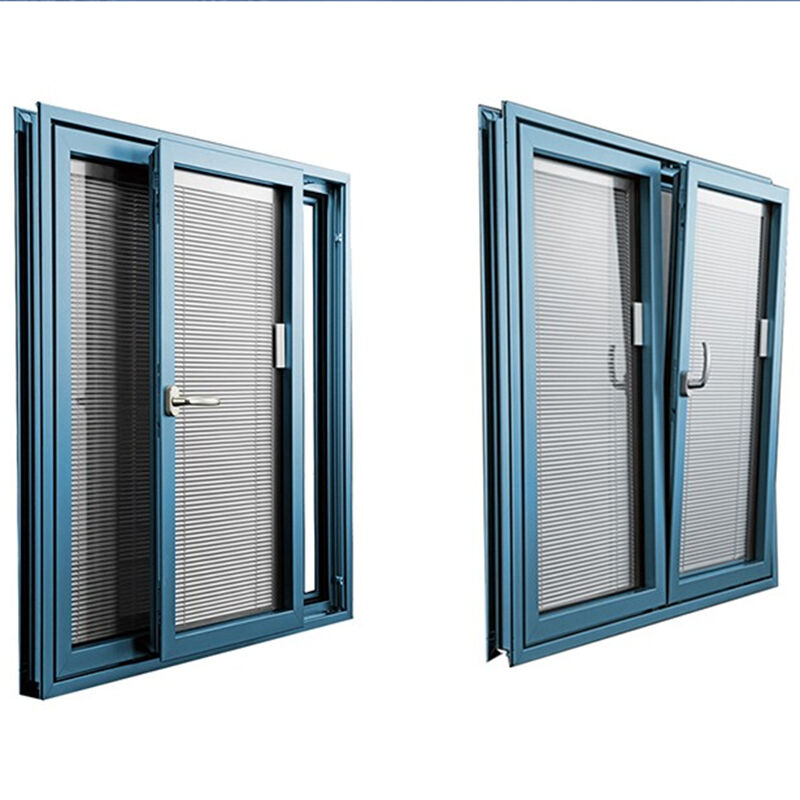
Maintaining sliding window tracks is essential for ensuring long-term functionality and smooth daily operation of your windows. Over time, dirt, debris, moisture, and wear can compromise the gliding mechanism, causing friction, jamming, and even damage to the window frame or rollers. Proper track maintenance not only extends the lifespan of your sliding window but also improves energy efficiency, reduces noise, and enhances user comfort. Whether you manage residential properties, commercial buildings, or industrial facilities, understanding the right maintenance practices will help you avoid costly repairs and maintain optimal performance throughout the year.
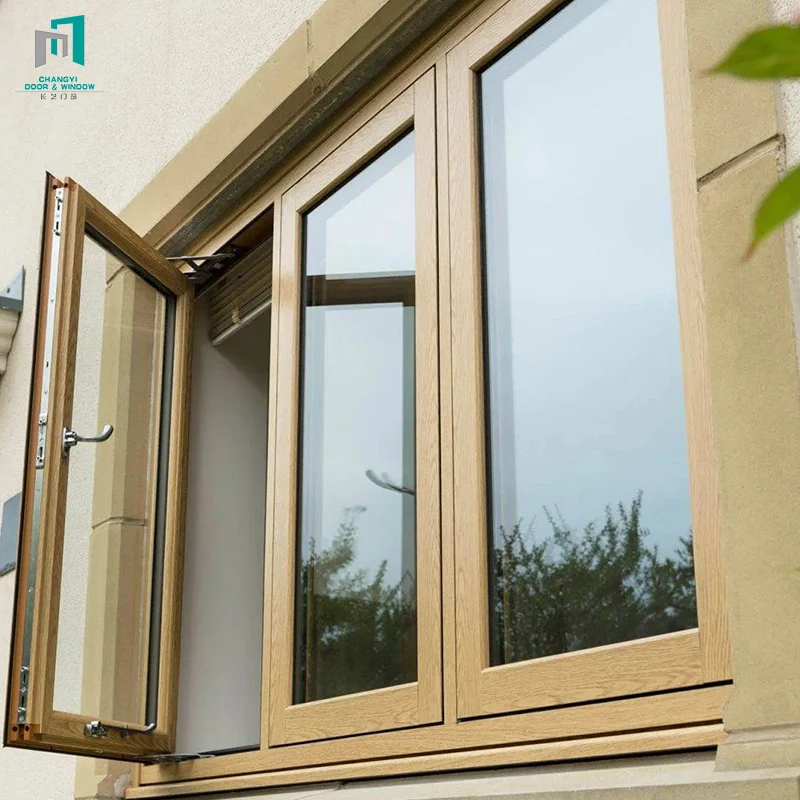
This comprehensive guide explains how to maintain sliding window tracks effectively, covering cleaning procedures, lubrication methods, inspection routines, and preventive measures. By following these practical steps, you can ensure that your sliding window operates smoothly, quietly, and reliably for years to come. The strategies outlined here apply to various types of sliding window systems, including aluminum, uPVC, and composite frame designs commonly used in both new construction and retrofit projects.
Understanding the Components and Operation of Sliding Window Tracks
Key Components That Enable Smooth Sliding Window Movement
The track system of a sliding window consists of several critical components that work together to facilitate smooth horizontal movement. The bottom track serves as the primary rail along which the window sash travels, typically featuring one or more channels to guide the rollers or glides. The top track provides additional stability and alignment, preventing the sash from tilting or binding during operation. Rollers or glide mechanisms are mounted to the bottom of the sash, allowing it to move along the track with minimal friction. Understanding these components is the first step in developing an effective maintenance routine for your sliding window.
High-quality sliding window systems incorporate precision-engineered tracks made from corrosion-resistant materials such as anodized aluminum or reinforced plastic. The roller assemblies may include ball bearings or nylon wheels designed to distribute weight evenly and reduce wear over time. Weatherstripping and seals around the track area help prevent water infiltration and air leakage while contributing to the overall energy efficiency of the window. When these components are properly maintained, your sliding window will operate effortlessly with just a light touch, providing convenient access to fresh air and natural light.
How Dirt and Debris Affect Sliding Window Performance
Environmental contaminants represent the most common threat to smooth sliding window operation. Dust, pollen, leaves, and other airborne particles accumulate in the track channels, creating abrasive residue that increases friction between moving parts. In coastal environments, salt spray can accelerate corrosion of metal components, while industrial areas may expose tracks to acidic pollutants that degrade materials over time. Even in clean indoor environments, household dust and lint can gradually build up in the track system, eventually causing the sliding window to become stiff or difficult to move.
Moisture interaction with accumulated debris creates additional maintenance challenges. When dirt mixes with water from rain, condensation, or cleaning activities, it can form a thick paste that hardens in the track channels. This hardened residue not only increases friction but can also trap moisture against metal surfaces, promoting rust and corrosion. In cold climates, freezing water in dirty tracks can cause expansion damage to the track structure itself. Regular cleaning prevents these problems from developing, ensuring that your sliding window continues to operate smoothly regardless of environmental conditions.
Essential Cleaning Procedures for Sliding Window Tracks
Initial Debris Removal and Dry Cleaning Methods
Begin your sliding window track maintenance by removing loose debris using dry cleaning methods that prevent scratching or damage to the track surfaces. Start by fully opening the sliding window to expose the entire length of both the bottom and top tracks. Use a stiff-bristled brush or an old toothbrush to dislodge accumulated dirt, paying special attention to corners and crevices where debris tends to collect. A handheld vacuum cleaner with a narrow crevice attachment works excellently for removing loosened particles without spreading dust throughout the room.
For stubborn debris that resists brushing, consider using a wooden or plastic scraper to carefully lift compacted material from the track channels. Avoid metal scrapers that could scratch or gouge the track surface, potentially creating rough spots that will increase friction and accelerate wear. If your sliding window tracks have drainage holes or weep holes designed to channel water away from the frame, ensure these openings remain clear of obstructions. Blocked drainage can lead to water accumulation, which promotes mold growth and material deterioration in both the track and surrounding frame components.
Deep Cleaning Solutions and Wet Cleaning Techniques
After removing loose debris, proceed with wet cleaning to address residual dirt, grease, and staining in your sliding window tracks. Prepare a cleaning solution using warm water mixed with a mild dish detergent or a specialized window track cleaner. Avoid harsh chemical cleaners, ammonia-based products, or abrasive cleansers that could damage the track finish or degrade plastic components. Apply the cleaning solution using a spray bottle or sponge, allowing it to penetrate and soften hardened deposits for several minutes before scrubbing.
Use a small scrub brush or an old toothbrush to thoroughly clean all surfaces within the track channels, working methodically from one end to the other. Pay particular attention to the areas where rollers make contact with the track, as these zones experience the most wear and accumulate the most contaminants. After scrubbing, wipe the tracks clean with absorbent cloths or paper towels, removing all cleaning solution and loosened debris. For tracks with persistent staining or discoloration, a paste made from baking soda and water can provide gentle yet effective cleaning power without damaging the track materials. Rinse thoroughly with clean water and dry completely before proceeding to the lubrication stage of sliding window maintenance.
Proper Lubrication Methods for Optimal Sliding Window Performance
Selecting the Right Lubricant for Your Sliding Window System
Choosing an appropriate lubricant is crucial for maintaining smooth sliding window operation without attracting dirt or causing material degradation. Silicone-based spray lubricants represent the best choice for most sliding window tracks, as they provide excellent lubrication while remaining clean and non-sticky. Unlike petroleum-based oils or greases, silicone lubricants do not attract dust and debris, preventing the formation of sticky residue that would eventually impede movement. They also resist temperature extremes and moisture, making them suitable for both indoor and outdoor applications in various climate conditions.
Alternative lubricant options include dry lubricants such as powdered graphite or PTFE-based sprays, which create a slippery coating without any liquid residue. These products work particularly well in dusty environments where wet lubricants might combine with airborne particles to create problematic buildup. For sliding window systems with plastic or nylon roller components, verify that your chosen lubricant is compatible with these materials and will not cause softening or deterioration over time. Always avoid using cooking oils, WD-40, or general-purpose machine oils, as these products can become sticky, attract contaminants, and actually increase friction in your sliding window tracks over the long term.
Application Techniques for Even and Effective Lubrication
Apply lubricant to your sliding window tracks only after completing thorough cleaning and ensuring all surfaces are completely dry. Begin by shaking the lubricant container according to manufacturer instructions, then apply a thin, even coating along the entire length of the bottom track channels. Focus on the areas where rollers or glides make direct contact with the track surface, as these are the critical friction zones. Avoid over-application, as excess lubricant can migrate to window glass, frames, or surrounding surfaces, creating cleaning challenges and potentially attracting unwanted debris.
After applying lubricant to the tracks, operate your sliding window through several complete open-and-close cycles to distribute the product evenly across all contact surfaces. This working-in process ensures that lubricant reaches roller bearings, guide mechanisms, and other moving parts within the sash assembly. Wipe away any excess lubricant that squeezes out during operation, as these excess deposits serve no functional purpose and may collect dust. For sliding window systems with adjustable rollers or height-adjustment screws, apply a small amount of lubricant to these threaded components as well, ensuring they remain easy to adjust if future alignment corrections become necessary.
Inspection and Preventive Maintenance Strategies
Regular Inspection Points for Early Problem Detection
Implementing a routine inspection schedule allows you to identify and address sliding window track issues before they escalate into major problems requiring professional repair or component replacement. During each inspection, carefully examine the track surfaces for signs of wear, corrosion, or damage such as dents, bends, or cracks that could interfere with smooth operation. Check roller assemblies for excessive wear, flat spots, or broken components that might cause binding or uneven movement. Inspect weatherstripping and seals around the track area, replacing any damaged or compressed sections that no longer provide adequate protection against air and water infiltration.
Pay attention to how your sliding window feels during operation, as tactile feedback often provides early warning of developing issues. Increased resistance when opening or closing may indicate dirty tracks, inadequate lubrication, or misaligned components requiring adjustment. Unusual noises such as grinding, scraping, or squeaking typically signal excessive friction, worn rollers, or damaged track surfaces. Visual inspection should also include checking for water stains or moisture accumulation in the track area, which might indicate compromised seals, blocked drainage holes, or improper installation that allows weather infiltration. Addressing these issues promptly prevents minor concerns from developing into costly repairs that compromise your sliding window functionality.
Seasonal Maintenance Considerations for Year-Round Performance
Different seasons present unique challenges that require adjustments to your sliding window track maintenance routine. During spring cleaning periods, perform comprehensive deep cleaning to remove winter accumulation of salt, sand, and other debris that may have been tracked into the home. This is an ideal time to inspect and replace weatherstripping that may have been compressed or damaged during cold weather. Summer maintenance should focus on ensuring proper operation during high-use periods when windows are frequently opened for ventilation, with particular attention to lubrication of heavily-used sliding window systems.
Fall preparation involves thorough cleaning before winter weather arrives, removing leaves, pollen, and other seasonal debris that could trap moisture and freeze in the tracks. Check that drainage holes remain clear to prevent ice formation during cold months. In winter, especially in freezing climates, avoid forcing a stuck sliding window that may be frozen in place, as this can damage rollers, tracks, or frame components. Instead, allow ice to melt naturally or use gentle warming methods before attempting to operate the window. Reduce the frequency of lubrication during cold months, as some lubricants may become less effective at low temperatures, and apply products specifically formulated for cold-weather performance if your region experiences extended freezing conditions.
Troubleshooting Common Sliding Window Track Problems
Addressing Stuck or Difficult-to-Move Sliding Windows
When a sliding window becomes difficult to operate despite regular cleaning and lubrication, the problem often stems from misalignment, worn components, or structural issues requiring systematic troubleshooting. Begin by checking whether the window sash is properly seated in both the top and bottom tracks, as improper installation or subsequent shifting can cause binding. Examine roller assemblies to ensure they rotate freely and have not become worn flat on one side, which would create uneven movement and increased friction. Adjustable roller systems may require height adjustment to achieve proper clearance and alignment within the track channels.
Frame deformation represents another common cause of sliding window operation problems, particularly in buildings that have experienced settling or structural movement. Use a level to check whether the window frame remains plumb and square, as even slight distortions can cause binding or uneven operation. In some cases, the track itself may have become bent or damaged, requiring straightening or replacement to restore smooth function. If cleaning, lubrication, and minor adjustments fail to resolve operation issues, consider consulting a professional window technician who can assess whether roller replacement, track repair, or frame adjustment is necessary to restore proper sliding window performance.
Preventing and Resolving Water Infiltration Issues
Water infiltration around sliding window tracks not only creates interior damage concerns but also accelerates deterioration of track components and operating mechanisms. Properly functioning weep holes or drainage channels are essential for removing water that enters the track area through normal exposure to rain, snow, or condensation. During maintenance procedures, verify that these drainage paths remain completely clear of debris, insect nests, or hardened deposits that could block water flow. Use a small wire or pipe cleaner to carefully clear any obstructions without damaging the drainage system.
Inspect all weatherstripping and sealing components around the sliding window track area, replacing any sections that have become compressed, cracked, or separated from the frame. Quality weatherstripping creates a barrier against both air and water infiltration while maintaining the smooth operation of the window. If water infiltration persists despite clear drainage holes and intact seals, the problem may stem from improper initial installation, inadequate flashing around the exterior frame, or damaged exterior caulking that requires professional attention. In regions with heavy rain exposure, consider installing or upgrading track covers or shields that provide additional protection against direct water entry while maintaining ventilation and drainage capacity.
FAQ
How often should I clean my sliding window tracks?
The optimal cleaning frequency for sliding window tracks depends on your environmental conditions and usage patterns, but most residential applications benefit from thorough cleaning every three to six months. Properties in dusty, coastal, or high-pollen areas may require more frequent attention, potentially every one to two months during peak exposure seasons. Commercial or institutional buildings with high traffic or industrial exposure should implement monthly inspection and cleaning schedules. Between deep cleaning sessions, perform quick maintenance by wiping tracks with a dry cloth and vacuuming loose debris weekly or bi-weekly to prevent accumulation that could compromise sliding window operation.
What type of lubricant works best for sliding window tracks?
Silicone-based spray lubricants provide the best performance for most sliding window track applications because they create a smooth, non-sticky coating that resists attracting dirt and debris. These products remain effective across wide temperature ranges and resist moisture degradation, making them suitable for both interior and exterior applications. Dry lubricants such as powdered graphite or PTFE sprays offer excellent alternatives for dusty environments where liquid lubricants might combine with airborne particles. Avoid petroleum-based oils, WD-40, or general-purpose machine oils, as these products tend to become sticky over time and actually increase friction while attracting contaminants that impede smooth sliding window operation.
Can I repair damaged sliding window tracks myself?
Minor sliding window track damage such as small dents, shallow scratches, or slight bends can often be addressed through careful DIY repair using appropriate tools and techniques. Small dents in aluminum tracks may be worked out using wooden dowels and gentle tapping, while scratched surfaces can be smoothed with fine abrasive paper followed by proper cleaning and lubrication. However, significant structural damage including deep gouges, cracked tracks, severely bent rails, or broken mounting brackets typically requires professional repair or complete track replacement to ensure safe and proper sliding window operation. Attempting complex repairs without proper expertise and tools may worsen the damage or create safety hazards, particularly with upper-floor windows or large, heavy sliding window panels.
Why does my sliding window still stick after cleaning and lubricating?
Persistent sticking after proper cleaning and lubrication typically indicates underlying mechanical or structural issues beyond basic maintenance. Common causes include worn or damaged roller assemblies that no longer rotate smoothly, misaligned window sash components that bind against the frame, or warped tracks resulting from building settlement or temperature-related expansion. The sliding window frame itself may have shifted out of square due to structural movement, creating binding points along the travel path. In some cases, the rollers may require height adjustment to achieve proper clearance within the track channels. If basic troubleshooting does not resolve the issue, professional assessment can identify whether roller replacement, track straightening, frame adjustment, or other corrective measures are necessary to restore smooth sliding window operation.