 EN


A smooth-operating sliding door is essential for both residential comfort and commercial functionality. Over time, sliding door tracks accumulate dust, debris, and mineral deposits that impede smooth movement and create frustrating friction. Understanding how to maintain sliding door systems prevents costly repairs, extends the lifespan of your installation, and ensures that your sliding door operates with the ease it was designed to provide. Whether you have a patio sliding door, interior partition, or commercial glass entrance, proper sliding door maintenance is non-negotiable for long-term performance.
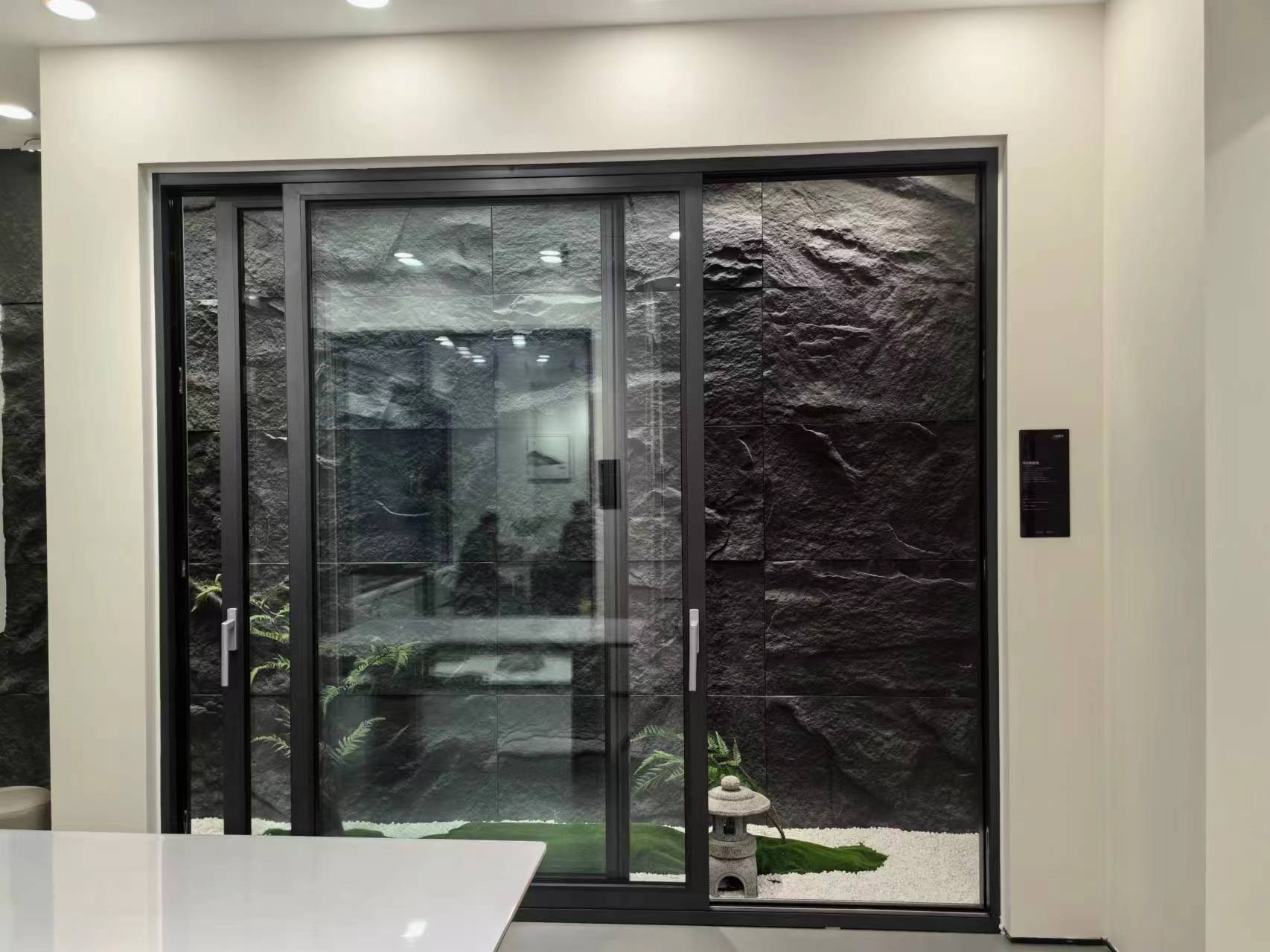
The key to maintaining a sliding door in peak condition lies in understanding the mechanics of how tracks work and what causes degradation. Sliding door tracks bear the full weight of the door panel while guiding it along a precise path, and they experience constant wear from daily use. By implementing a structured maintenance routine, you can prevent the common problems that plague sliding door systems and avoid the expense of professional repairs or full replacement.
Understanding Sliding Door Track Components and Their Function
How Sliding Door Tracks Support Your Door System
A sliding door track system consists of upper and lower rails, rollers, and guide mechanisms that work together to support and direct the door panel. The lower track bears most of the weight and experiences the greatest friction, making it the most critical component to maintain. When your sliding door track functions properly, the door glides effortlessly; when tracks degrade, the door becomes difficult to operate and may develop gaps that compromise insulation and security. Understanding this relationship helps you recognize why preventive sliding door maintenance is far more cost-effective than reactive repairs.
Common Contaminants That Damage Sliding Door Tracks
Sliding door tracks attract dirt, sand, pollen, and moisture that accumulate in the channel over weeks and months. Outdoor sliding door installations face additional challenges from weather exposure, while indoor sliding door systems may collect dust from HVAC systems and foot traffic. These contaminants create abrasive layers that increase friction, forcing the rollers to work harder and wearing them down prematurely. Hard water deposits and corrosion are particularly destructive to aluminum sliding door tracks, creating rough patches that catch rollers and degrade performance.
Cleaning and Inspection Procedures for Sliding Door Maintenance
Step-by-Step Cleaning Process for Sliding Door Tracks
Begin your sliding door maintenance routine by vacuuming the track channel thoroughly using a crevice attachment to reach deep into the space where your sliding door tracks run. Follow up with a soft brush to dislodge stubborn debris that the vacuum missed, working from one end to the other in consistent strokes. For mineral deposits and hard-to-remove buildup, apply a vinegar-and-water solution (one part vinegar to three parts water) and let it sit for 10 to 15 minutes before scrubbing with a soft brush. Wipe the sliding door track completely dry with a microfiber cloth to prevent water spots and corrosion, as moisture left behind can damage your sliding door tracks and promote rust on metal components.
Visual Inspection Signs That Your Sliding Door Needs Attention
During your sliding door maintenance inspection, look for visible gaps between the door and frame, which indicate that your sliding door tracks have become misaligned or worn. Check the rollers for flat spots, cracks, or visible wear patterns that suggest your sliding door track system needs replacement parts. Listen for grinding or scraping sounds as you operate the door, which typically signal debris in the sliding door track channel or roller damage. A sagging door or one that drags at the bottom usually means your sliding door track support structure has shifted or the rollers have lost their shape.
Lubrication, Repair, and Long-Term Preservation of Sliding Door Tracks
Choosing the Right Lubricant for Your Sliding Door Track System
Proper lubrication is central to sliding door maintenance, but selecting the correct product is essential to protect your investment. Silicone-based sprays are ideal for most aluminum sliding door tracks because they repel moisture and attract less dust than oil-based alternatives. Apply lubricant sparingly along the entire length of your sliding door track after cleaning, using a thin, even coat rather than heavy saturation. For commercial or high-traffic applications, consider a dry-film lubricant designed specifically for aluminum sliding door systems, which provides superior performance without the residue that attracts contaminants. Never use WD-40 or similar penetrating oils for regular sliding door maintenance, as they can accumulate and create sticky buildup that worsens performance over time.
Addressing Common Problems Through Maintenance and Repair
If your sliding door binding or sticking persists after thorough cleaning and lubrication, the rollers may require adjustment or replacement. Most modern sliding door track systems include adjustment screws on the rollers that allow you to raise or lower the door slightly to prevent binding against the track frame. If your sliding door track shows visible corrosion or pitting, especially on aluminum surfaces, the affected section may need to be professionally refinished or replaced. For older sliding door installations with worn rollers that no longer glide smoothly, replacement rollers designed to match your original sliding door track profile will restore performance nearly to original condition. Document your sliding door maintenance activities by keeping records of cleaning dates, lubrication schedules, and any repairs performed, which helps identify patterns and prevents future problems.
Seasonal Adjustments and Preventive Strategies for Year-Round Sliding Door Protection
Seasonal Sliding Door Track Maintenance Requirements
Seasonal temperature and humidity changes affect your sliding door performance, requiring adjustments to your sliding door maintenance schedule. In spring and fall, increase your sliding door track cleaning frequency to address pollen and leaves that accumulate more heavily during these seasons. Winter weather demands special attention to your sliding door tracks because moisture and salt residue from outdoor conditions accelerate corrosion and freeze inside the sliding door track channel. Summer heat can dry out lubricants faster, so check your sliding door track lubrication more frequently during hot months and reapply as needed to maintain smooth operation throughout the season.
Preventive Measures to Extend Sliding Door Track Lifespan
Install protective barriers around your sliding door installation to minimize debris entry into the sliding door track channel, particularly for exterior applications. Regular inspection every three to six months allows you to catch small issues before they become expensive problems with your sliding door tracks. Keep the area surrounding your sliding door clean and free of vegetation, which prevents dirt from entering the sliding door track during normal operation. Consider applying a protective sealant specifically designed for aluminum sliding door tracks every one to two years to guard against oxidation and moisture penetration that compromises track integrity over time.
FAQ
How often should I clean my sliding door tracks?
For most residential applications, clean your sliding door tracks monthly, or more frequently if you live in a dusty or coastal environment. High-traffic commercial installations should have their sliding door tracks cleaned weekly to maintain optimal performance and safety. Outdoor sliding door systems exposed to weather may need cleaning every two to four weeks depending on seasonal conditions and local environmental factors affecting your sliding door track condition.
What is the best lubricant for aluminum sliding door tracks?
Silicone-based sprays are the best choice for aluminum sliding door tracks because they resist moisture, prevent corrosion, and attract minimal dust compared to petroleum products. Apply a thin coat to the entire length of your sliding door track channel after cleaning, using only what is necessary to achieve smooth operation. Avoid oil-based lubricants and WD-40 on your sliding door tracks, as they accumulate dirt over time and create sticky buildup that degrades performance rather than improving it.
Can I repair a damaged sliding door track myself?
Many sliding door track maintenance tasks are suitable for DIY projects, including cleaning, lubrication, and minor roller adjustment. However, structural damage, severe corrosion, or bent sliding door track frames typically require professional assessment and repair to ensure safety and proper alignment of your sliding door system. If you are uncertain about the extent of damage or the appropriate repair method, consult a professional who specializes in sliding door installation and maintenance to prevent further damage.