 EN
EN
Modern residential and commercial buildings rely heavily on effective ventilation systems to maintain indoor air quality and occupant comfort. Among the various window solutions available today, the aluminum openable window stands out as a versatile and durable choice that offers exceptional functionality across diverse architectural applications. These windows combine the strength and corrosion resistance of aluminum frames with innovative opening mechanisms that provide superior airflow control and energy efficiency.
The evolution of aluminum openable window technology has transformed how architects and homeowners approach natural ventilation strategies. Unlike fixed glazing systems, these dynamic window solutions enable precise control over air circulation patterns, temperature regulation, and moisture management within interior spaces. Understanding the various types of aluminum openable windows available in the market empowers building professionals and property owners to make informed decisions that align with their specific ventilation requirements and aesthetic preferences.
Understanding Aluminum Frame Construction in Openable Windows
Material Properties and Performance Characteristics
Aluminum frames offer exceptional structural integrity for openable window applications due to their inherent material properties. The lightweight yet robust nature of aluminum allows for larger window openings without compromising operational functionality or long-term durability. This metal exhibits excellent thermal conductivity, which can be enhanced through thermal break technology to improve energy efficiency in climate-controlled environments.
The corrosion resistance of aluminum makes it particularly suitable for coastal and industrial environments where exposure to harsh elements is a concern. Modern aluminum openable window frames undergo specialized surface treatments, including anodizing and powder coating processes, which further enhance their resistance to weathering and UV degradation. These treatments also provide opportunities for customized color finishes that complement various architectural styles.
Structural Engineering Considerations
The engineering design of aluminum openable window frames must account for both static and dynamic loads that occur during normal operation. Wind load resistance, thermal expansion coefficients, and repeated opening cycles all influence the dimensional stability and operational smoothness of these systems. Advanced frame designs incorporate multi-chamber profiles that enhance structural rigidity while providing pathways for drainage and thermal insulation materials.
Manufacturing precision plays a crucial role in ensuring proper frame alignment and hardware compatibility. Computer-controlled fabrication processes enable tight tolerances that minimize air infiltration and maximize weather sealing effectiveness. The modular nature of aluminum frame systems allows for standardized component manufacturing while maintaining flexibility for custom sizing requirements.
Casement Window Configurations and Ventilation Benefits
Single and Double Casement Designs
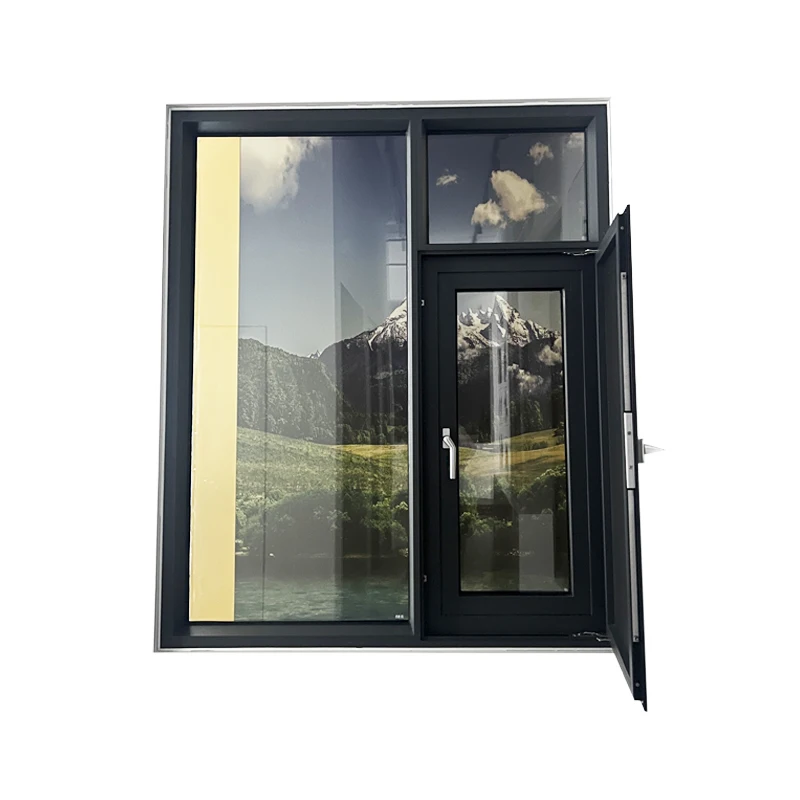
Casement-style aluminum openable window configurations represent one of the most popular choices for residential and commercial applications requiring maximum ventilation capacity. These side-hinged windows open outward from the building facade, creating an unobstructed opening that can capture and direct prevailing winds into interior spaces. Single casement designs work well for smaller openings, while double casement configurations provide larger clear openings for enhanced airflow.
The outward-opening mechanism of casement windows offers several ventilation advantages over other opening types. When positioned at angles to prevailing wind directions, these windows can create pressure differentials that promote cross-ventilation and natural air circulation patterns. The full opening capability allows for easy cleaning and maintenance access, making them practical choices for multi-story applications.
Hardware Systems and Operational Mechanisms
Modern casement aluminum openable window systems incorporate sophisticated hardware mechanisms that ensure smooth operation and reliable weather sealing. Multi-point locking systems distribute closing forces evenly around the frame perimeter, creating consistent compression against weatherstripping materials. These locking mechanisms also enhance security by providing multiple engagement points that resist forced entry attempts.
Friction hinges and stay arms control the opening angle and provide wind resistance when windows are in partially open positions. Advanced hardware designs include integrated restrictor mechanisms that limit opening angles for safety considerations, particularly important in high-rise applications or areas with high foot traffic. The durability of these hardware components directly impacts the long-term operational reliability of the entire window system.
Sliding Window Systems for Controlled Airflow
Horizontal Sliding Mechanisms
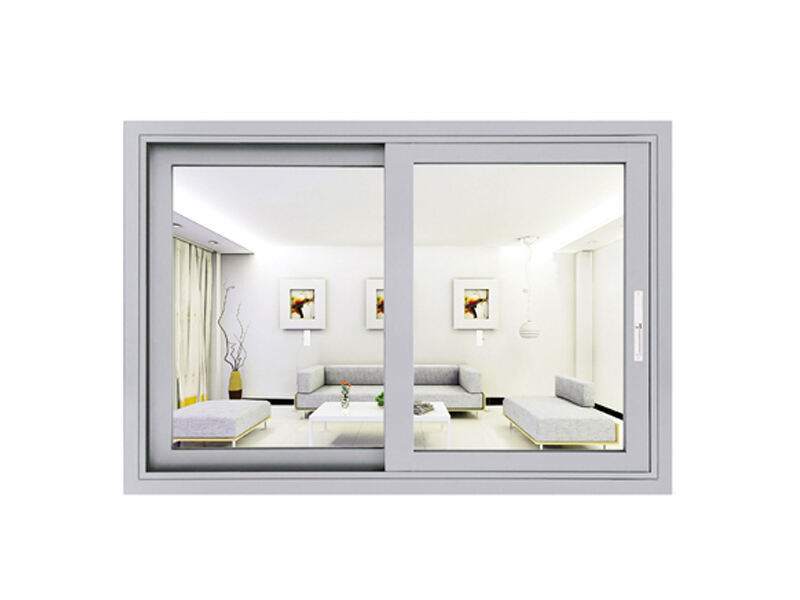
Horizontal sliding aluminum openable window designs offer space-efficient ventilation solutions that work particularly well in applications where exterior clearance is limited. These systems feature sashes that move laterally within the frame assembly, typically providing fifty percent of the total opening area for airflow when fully opened. The sliding mechanism relies on precision-engineered track systems and rolling hardware that minimize operational effort while maximizing weather sealing effectiveness.
The controlled opening nature of sliding windows allows for graduated ventilation adjustment, enabling users to fine-tune airflow rates based on environmental conditions and comfort requirements. This precise control makes aluminum openable window systems ideal for applications requiring consistent but adjustable natural ventilation, such as laboratories, workshops, and residential living spaces.
Track Systems and Weather Performance
The performance of sliding aluminum openable window systems depends heavily on the design and maintenance of their track assemblies. Modern track systems incorporate drainage channels and weep holes that prevent water accumulation and ice formation that could impair sliding operation. Stainless steel or aluminum track surfaces resist corrosion and provide smooth operation over extended service periods.
Weather sealing in sliding window systems requires careful attention to interface details between moving and stationary components. Brush seals, compression gaskets, and fin seals work together to create effective barriers against air and water infiltration while maintaining smooth sliding action. The dimensional stability of aluminum frames helps maintain proper seal compression over multiple thermal cycles and seasonal temperature variations.
Awning and Hopper Window Ventilation Strategies
Top-Hinged Awning Configurations
Awning-style aluminum openable window designs feature top-hinged sashes that open outward from the bottom, creating a protective overhang that allows ventilation even during light precipitation. This configuration proves particularly effective for ground-floor applications and areas where rain protection during ventilation is desired. The angled opening position naturally sheds water away from the interior while maintaining airflow capacity.
The ventilation characteristics of awning windows make them suitable for stack ventilation strategies where warm air rises and exits through upper-level openings. When combined with lower intake openings, awning windows can create effective natural ventilation loops that reduce reliance on mechanical cooling systems. The controlled opening angle also provides security benefits while maintaining ventilation functionality.
Bottom-Hinged Hopper Designs
Hopper-style aluminum openable window systems feature bottom-hinged sashes that open inward from the top, creating ventilation openings that direct airflow upward into interior spaces. These configurations work well for basement applications and areas where exterior clearance limitations prevent outward-opening designs. The inward opening mechanism provides easy access for cleaning and maintenance from interior spaces.
The airflow patterns created by hopper windows can be particularly effective for displacement ventilation strategies where cooler outdoor air enters at lower levels and rises as it warms within interior spaces. This natural convection process can provide comfortable environments while minimizing energy consumption for mechanical ventilation systems. The compact opening profile of hopper windows also makes them suitable for applications with limited ceiling heights.
Tilt and Turn Window Technology
Dual Operating Modes
Tilt and turn aluminum openable window systems represent sophisticated European-engineered solutions that provide two distinct ventilation modes within a single window unit. The tilt mode creates a secure, partially open position ideal for continuous background ventilation, while the turn mode provides full access for cleaning, emergency egress, and maximum airflow capacity. This dual functionality makes these windows extremely versatile for various building applications.
The tilt position in these aluminum openable window systems creates a controlled opening at the top of the sash while maintaining security at the bottom. This configuration allows for continuous ventilation without compromising safety or weather protection, making it ideal for overnight use or periods when buildings are unoccupied. The turn mode enables the entire sash to swing inward like a door, providing complete access to both sides of the glazing.
Complex Hardware Integration
The sophisticated hardware systems required for tilt and turn aluminum openable window operation represent significant engineering achievements in window technology. Multi-point locking mechanisms must coordinate between two different operating modes while maintaining consistent weather sealing performance in both positions. The precision required for these systems demands careful manufacturing tolerances and regular maintenance schedules.
Handle positions control the operating mode selection, with specific positions corresponding to locked, tilt, and turn functions. Safety mechanisms prevent accidental mode changes that could damage the hardware or create unsafe conditions. The complexity of these systems requires specialized installation expertise and ongoing maintenance protocols to ensure reliable long-term performance.
Energy Efficiency and Thermal Performance
Thermal Break Technology
Advanced aluminum openable window designs incorporate thermal break technology to address the natural thermal conductivity of aluminum frame materials. Polyamide strips or other low-conductivity materials create thermal barriers within frame assemblies, significantly reducing heat transfer between interior and exterior environments. This technology enables aluminum windows to compete effectively with other frame materials in energy-efficient building applications.
The implementation of thermal breaks in aluminum openable window frames requires careful attention to structural continuity and weather sealing integrity. Advanced manufacturing processes ensure that thermal barriers do not compromise the structural performance or operational reliability of opening mechanisms. Computer modeling and thermal imaging analysis help optimize thermal break designs for specific climate conditions and performance requirements.
Glazing Integration and Performance
The glazing systems used with aluminum openable window frames significantly impact overall thermal performance and energy efficiency. Double and triple glazing assemblies with low-emissivity coatings and inert gas fills provide enhanced thermal insulation while maintaining optical clarity. The structural glazing methods used to secure these assemblies must accommodate thermal movement and maintain weatherproof seals.
Advanced glazing options include dynamic glass technologies that respond to solar conditions and occupancy patterns. These smart glazing systems can automatically adjust their thermal and optical properties to optimize indoor comfort while minimizing energy consumption. The integration of these technologies with aluminum openable window frames requires sophisticated control systems and compatible frame designs.
Installation and Maintenance Considerations
Professional Installation Requirements
Proper installation of aluminum openable window systems requires specialized knowledge of building envelope integration, structural loading, and weather sealing principles. Professional installers must understand frame expansion characteristics, proper shimming techniques, and flashing details that ensure long-term weather resistance. The precision required for proper operation and weather sealing makes professional installation essential for warranty compliance.
Site conditions and building tolerances must be carefully evaluated before aluminum openable window installation begins. Rough opening dimensions, structural support adequacy, and surrounding material compatibility all influence installation procedures and final performance. Quality control measures during installation include operational testing, weather seal verification, and hardware adjustment to ensure optimal performance.
Ongoing Maintenance Protocols
Regular maintenance protocols for aluminum openable window systems focus on hardware lubrication, weather seal inspection, and drainage system functionality. Annual inspection schedules help identify potential issues before they impact performance or require costly repairs. The modular nature of aluminum frame systems often allows for component replacement without complete window replacement, extending overall system life.
Cleaning procedures for aluminum openable window systems must address both frame surfaces and glazing materials without damaging protective coatings or hardware mechanisms. Appropriate cleaning solutions and techniques vary based on environmental exposure conditions and surface treatments. Regular cleaning not only maintains appearance but also prevents contamination buildup that could impair operational performance.
FAQ
What are the main advantages of aluminum openable windows over other frame materials
Aluminum openable windows offer superior strength-to-weight ratios, excellent corrosion resistance, and minimal maintenance requirements compared to wood or vinyl alternatives. The material stability of aluminum frames ensures consistent operation over decades of use, while the recyclability of aluminum makes these windows environmentally sustainable choices. Advanced thermal break technologies address energy efficiency concerns while maintaining the structural advantages of aluminum construction.
How do different opening mechanisms affect ventilation performance
The ventilation effectiveness of aluminum openable windows varies significantly based on their opening mechanism and installation orientation relative to prevailing winds. Casement windows provide maximum opening area and can direct airflow, while sliding windows offer controlled, graduated ventilation adjustment. Awning and hopper configurations provide weather-protected ventilation options, and tilt-and-turn systems offer versatile ventilation control with enhanced security features.
What maintenance is required for optimal aluminum openable window performance
Regular maintenance of aluminum openable windows includes annual hardware lubrication, weather seal inspection, and drainage channel cleaning. Hardware adjustment may be needed periodically to maintain proper operation and weather sealing effectiveness. Professional maintenance services can identify potential issues early and perform component replacements before major problems develop, extending the service life of these window systems.
Are aluminum openable windows suitable for all climate conditions
Modern aluminum openable window designs with appropriate thermal break technology and high-performance glazing systems perform effectively in diverse climate conditions. Coastal environments benefit from aluminum's corrosion resistance, while extreme temperature regions require careful attention to thermal break design and hardware selection. Professional specification and installation ensure that aluminum openable windows meet specific climate performance requirements for any geographic location.
Table of Contents
- Understanding Aluminum Frame Construction in Openable Windows
- Casement Window Configurations and Ventilation Benefits
- Sliding Window Systems for Controlled Airflow
- Awning and Hopper Window Ventilation Strategies
- Tilt and Turn Window Technology
- Energy Efficiency and Thermal Performance
- Installation and Maintenance Considerations
- FAQ