 EN
EN

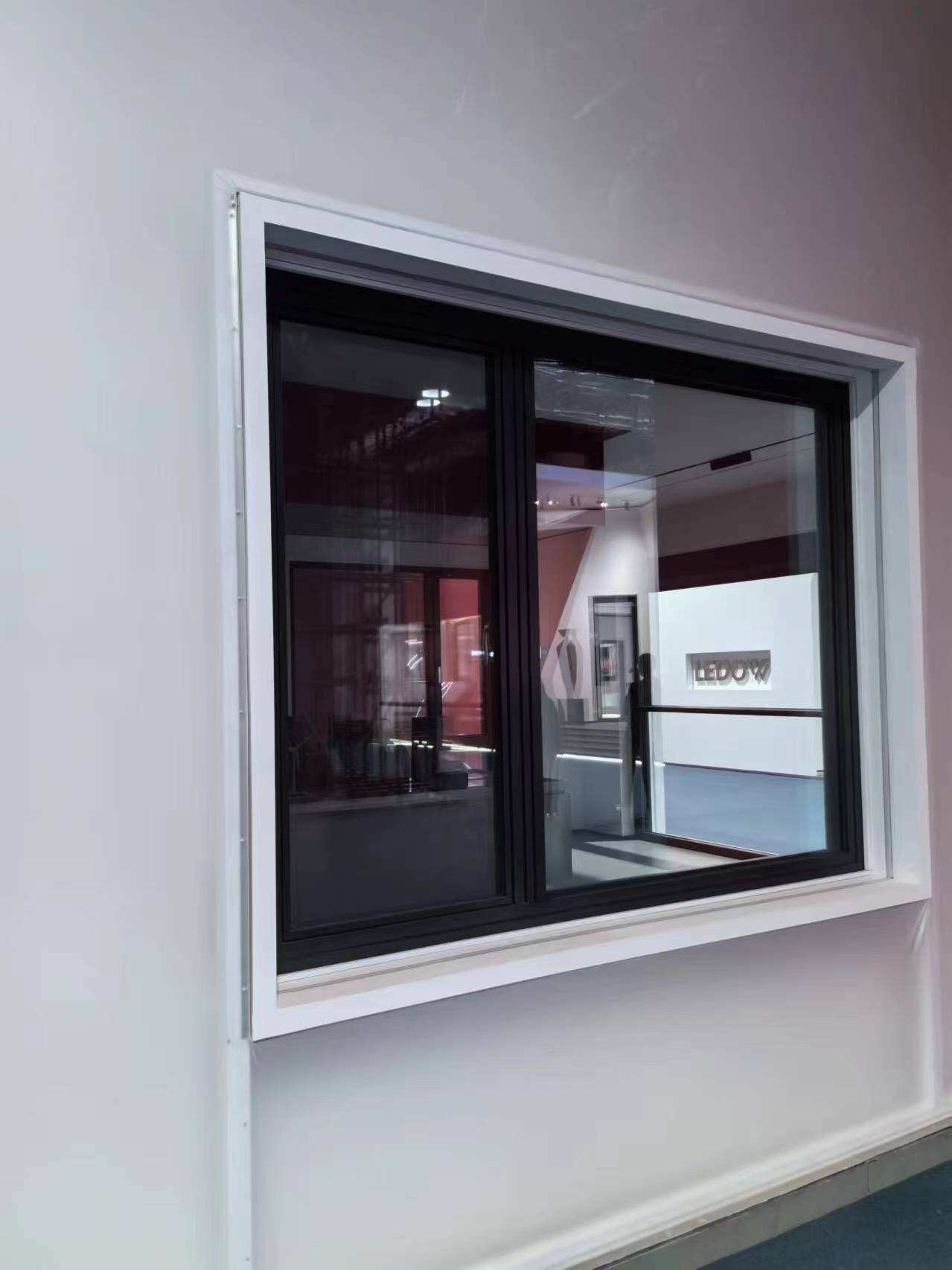
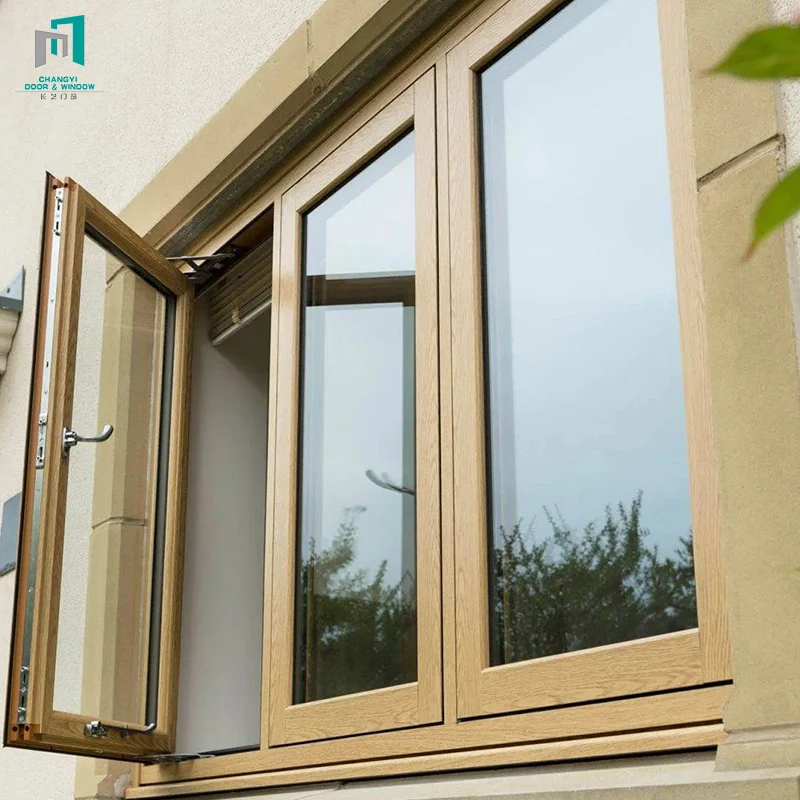
Modern window and door manufacturing has evolved dramatically over the past decades, with state-of-the-art facilities now producing high-quality products that meet stringent performance standards. Today's factories combine advanced automation with skilled craftsmanship to create durable, energy-efficient solutions for residential and commercial applications. The production of UPVC windows has become particularly sophisticated, incorporating precision engineering and quality control measures that ensure every unit meets exacting specifications. These manufacturing facilities represent the pinnacle of industrial innovation, where traditional building materials meet cutting-edge technology to deliver superior products for the construction industry.
Advanced Manufacturing Processes in Window and Door Production
Precision Extrusion Technology
The heart of any modern window and door factory lies in its extrusion capabilities, where raw materials are transformed into precise profiles through carefully controlled processes. Advanced extrusion lines operate at optimal temperatures and speeds to ensure consistent wall thickness and dimensional accuracy across all UPVC windows components. These sophisticated machines can produce multiple profile configurations simultaneously, maximizing efficiency while maintaining the highest quality standards. The integration of automated cutting systems ensures that each extruded section meets exact length specifications, reducing waste and improving overall production efficiency.
Quality monitoring systems continuously track temperature, pressure, and material flow throughout the extrusion process, making real-time adjustments to maintain optimal production parameters. This level of precision is essential for creating UPVC windows that deliver superior performance in terms of weather resistance, thermal efficiency, and structural integrity. Modern factories also incorporate recycling systems that capture and reprocess waste material, contributing to environmental sustainability while reducing raw material costs.
Automated Fabrication Systems
Contemporary window and door factories utilize sophisticated fabrication equipment that can process multiple frame styles and configurations with remarkable precision. Computer-controlled cutting centers ensure accurate miters and joints, while automated welding systems create strong, seamless connections that enhance the structural integrity of finished products. These systems are particularly effective in the production of UPVC windows, where consistent welding quality is crucial for achieving optimal performance characteristics.
Advanced fabrication lines often incorporate vision systems and quality sensors that inspect each component during the manufacturing process, identifying potential defects before they become quality issues. This proactive approach to quality control significantly reduces waste and ensures that only products meeting strict specifications proceed to the next production stage. The integration of robotic handling systems further enhances efficiency while minimizing the risk of damage during material transfer and positioning operations.
Quality Control and Testing Protocols
Comprehensive Performance Testing
Modern manufacturing facilities maintain dedicated testing laboratories where finished products undergo rigorous evaluation to verify compliance with industry standards and performance specifications. These testing protocols cover critical performance parameters including air infiltration, water penetration resistance, structural load capacity, and thermal performance. For UPVC windows specifically, testing procedures evaluate UV resistance, thermal cycling performance, and long-term durability under various environmental conditions.
Environmental chambers simulate extreme weather conditions, allowing manufacturers to validate product performance across a wide range of temperature and humidity variations. Structural testing equipment applies controlled loads to verify that window and door assemblies can withstand design wind loads and other structural requirements. This comprehensive approach to testing ensures that products leaving the factory will perform reliably throughout their intended service life.
Statistical Process Control
Leading manufacturers implement sophisticated statistical process control systems that monitor key production variables and maintain detailed records of quality metrics throughout the manufacturing process. These systems generate real-time reports that help production teams identify trends and make proactive adjustments to maintain optimal quality levels. The production of UPVC windows benefits significantly from this approach, as consistent dimensional accuracy and material properties are essential for proper installation and long-term performance.
Data analytics platforms process quality information from multiple production lines, identifying correlations between process parameters and product quality outcomes. This analytical capability enables continuous improvement initiatives that enhance manufacturing efficiency while reducing defect rates. Regular audits and calibration procedures ensure that measurement systems remain accurate and reliable over time.
Material Handling and Storage Systems
Automated Inventory Management
Efficient material handling is crucial for maintaining production flow and ensuring that raw materials remain in optimal condition throughout the manufacturing process. Modern factories employ automated storage and retrieval systems that track inventory levels, monitor material condition, and optimize storage locations based on production schedules. These systems are particularly important for UPVC windows manufacturing, where material consistency and freshness directly impact final product quality.
Climate-controlled storage areas maintain optimal temperature and humidity conditions for sensitive materials, preventing degradation that could affect product performance. Automated conveyor systems transport materials between storage areas and production lines, minimizing handling damage while maintaining efficient workflow. Real-time inventory tracking systems provide production planners with accurate material availability information, enabling optimized scheduling and reduced waste.
Just-in-Time Delivery Systems
Advanced manufacturing facilities coordinate closely with suppliers to implement just-in-time delivery systems that minimize inventory carrying costs while ensuring material availability. These systems require sophisticated forecasting and planning capabilities that anticipate production requirements based on order volumes and seasonal demand patterns. The production of UPVC windows often involves multiple material types and colors, making effective coordination essential for maintaining production efficiency.
Supply chain integration platforms provide real-time visibility into supplier capabilities and delivery schedules, enabling proactive management of potential supply disruptions. Quality agreements with key suppliers ensure that incoming materials meet strict specifications before entering the production process, reducing the risk of quality issues and production delays.
Environmental Sustainability and Energy Efficiency
Waste Reduction and Recycling Programs
Contemporary window and door factories prioritize environmental responsibility through comprehensive waste reduction and recycling programs that minimize their ecological footprint. Production processes are designed to maximize material utilization while capturing and reprocessing waste streams for beneficial reuse. The manufacture of UPVC windows particularly benefits from closed-loop recycling systems that can reprocess production waste back into high-quality raw material.
Advanced sorting and cleaning systems separate different material types and prepare waste streams for efficient recycling processing. Energy recovery systems capture waste heat from extrusion processes and redirect it for facility heating or other productive uses. These initiatives not only reduce environmental impact but also contribute to operational cost savings through reduced raw material purchases and waste disposal fees.
Energy Management Systems
Modern manufacturing facilities implement comprehensive energy management systems that monitor and optimize power consumption across all production operations. These systems identify opportunities for energy savings while maintaining production quality and efficiency standards. Variable frequency drives on motor systems adjust power consumption based on actual load requirements, while smart lighting systems provide optimal illumination while minimizing energy waste.
Cogeneration systems capture waste heat from production processes and convert it into useful energy for facility operations, significantly improving overall energy efficiency. Regular energy audits identify additional opportunities for improvement, while employee training programs promote energy-conscious behaviors throughout the organization. The production of UPVC windows benefits from these efficiency measures through reduced operational costs and improved environmental sustainability.
Workforce Development and Training Programs
Technical Skills Development
Successful window and door manufacturing requires a skilled workforce capable of operating sophisticated equipment while maintaining high quality standards. Comprehensive training programs ensure that production personnel understand both technical procedures and quality requirements for all manufacturing processes. Specialized training modules cover specific aspects of UPVC windows production, including material handling, equipment operation, and quality inspection procedures.
Ongoing education programs keep workers current with evolving technology and industry best practices, while cross-training initiatives develop versatile team members who can adapt to changing production requirements. Apprenticeship programs provide structured pathways for developing advanced technical skills, while mentoring relationships transfer institutional knowledge from experienced workers to newer team members.
Safety and Compliance Training
Modern manufacturing facilities maintain comprehensive safety programs that protect workers while ensuring compliance with regulatory requirements. Regular safety training sessions cover hazard identification, emergency procedures, and proper use of personal protective equipment throughout all production areas. The manufacture of UPVC windows involves specific safety considerations related to chemical handling, high-temperature operations, and equipment interaction that require specialized training protocols.
Continuous improvement processes incorporate worker feedback to identify potential safety hazards and develop preventive measures that protect personnel while maintaining production efficiency. Regular safety audits and inspections verify that safety procedures remain effective and current with industry standards. Recognition programs reward safe work practices and encourage proactive safety behaviors throughout the organization.
Innovation and Technology Integration
Industry 4.0 Implementation
Leading window and door manufacturers are implementing Industry 4.0 technologies that create smart, connected manufacturing environments capable of real-time optimization and predictive maintenance. Internet of Things sensors throughout production equipment provide continuous monitoring of operational parameters, while machine learning algorithms analyze performance data to identify optimization opportunities. These technologies are particularly valuable in UPVC windows manufacturing, where consistent process conditions are essential for product quality.
Digital twin technology creates virtual models of production processes that enable simulation and optimization without disrupting actual manufacturing operations. Predictive maintenance systems analyze equipment performance data to anticipate maintenance requirements, reducing unplanned downtime while extending equipment life. Cloud-based data platforms provide management teams with real-time visibility into production performance across multiple facilities.
Research and Development Initiatives
Innovative manufacturers maintain active research and development programs that explore new materials, processes, and technologies for improving product performance and manufacturing efficiency. These initiatives often focus on enhancing the performance characteristics of UPVC windows through material innovations, improved processing techniques, and advanced testing methodologies. Collaboration with universities and research institutions provides access to cutting-edge knowledge and emerging technologies.
Pilot production facilities enable manufacturers to test new processes and materials before full-scale implementation, reducing risk while accelerating innovation. Customer feedback systems provide valuable input for product development initiatives, ensuring that new products meet evolving market requirements. Patent portfolios protect intellectual property while establishing competitive advantages in key market segments.
FAQ
What quality standards do modern window and door factories follow
Modern window and door manufacturing facilities adhere to comprehensive quality standards including ASTM, ANSI, and international ISO certifications that govern material specifications, manufacturing processes, and performance testing. These standards ensure that UPVC windows meet stringent requirements for structural integrity, weather resistance, energy efficiency, and long-term durability. Regular third-party audits verify compliance with these standards while continuous improvement programs drive ongoing enhancements to quality systems and manufacturing processes.
How do factories ensure consistent product quality across large production volumes
Factories maintain consistent quality through statistical process control systems that monitor critical production variables in real-time, automated inspection equipment that checks dimensional accuracy and visual quality, and comprehensive testing protocols that verify performance characteristics. The production of UPVC windows specifically benefits from automated welding systems that ensure consistent joint quality, precision cutting equipment that maintains dimensional accuracy, and environmental testing that validates performance under various conditions.
What environmental measures are implemented in modern manufacturing facilities
Contemporary window and door factories implement comprehensive environmental programs including closed-loop recycling systems that reprocess production waste, energy management systems that optimize power consumption, waste heat recovery systems that capture and reuse thermal energy, and emission control systems that minimize environmental impact. These facilities also maintain ISO 14001 environmental management certifications and regularly conduct environmental audits to ensure compliance with regulatory requirements while continuously improving sustainability performance.
How do manufacturers accommodate custom specifications and design requirements
Modern manufacturing facilities utilize flexible production systems that can accommodate custom specifications through computer-controlled equipment programming, modular tooling systems that enable quick changeovers between product configurations, and dedicated custom production lines for specialized requirements. The production of UPVC windows particularly benefits from programmable cutting systems that can process unique dimensions, automated hardware insertion systems that can accommodate various operating mechanisms, and flexible finishing systems that can apply custom colors and surface treatments while maintaining quality standards and production efficiency.
Table of Contents
- Advanced Manufacturing Processes in Window and Door Production
- Quality Control and Testing Protocols
- Material Handling and Storage Systems
- Environmental Sustainability and Energy Efficiency
- Workforce Development and Training Programs
- Innovation and Technology Integration
-
FAQ
- What quality standards do modern window and door factories follow
- How do factories ensure consistent product quality across large production volumes
- What environmental measures are implemented in modern manufacturing facilities
- How do manufacturers accommodate custom specifications and design requirements